Sutton, 15 Jun 2009
Both the Zambian and DRC projects that I was working on concluded in office work without further field visits, but a new challenge has arisen. I will be working in the field in the West African country of Guinea for the next year. A great opportunity to see this greatly under-birded part of West Africa. I’m also looking forward to seeing some colourful tropical butterflies and moths. All of course when work doesn’t interfere!
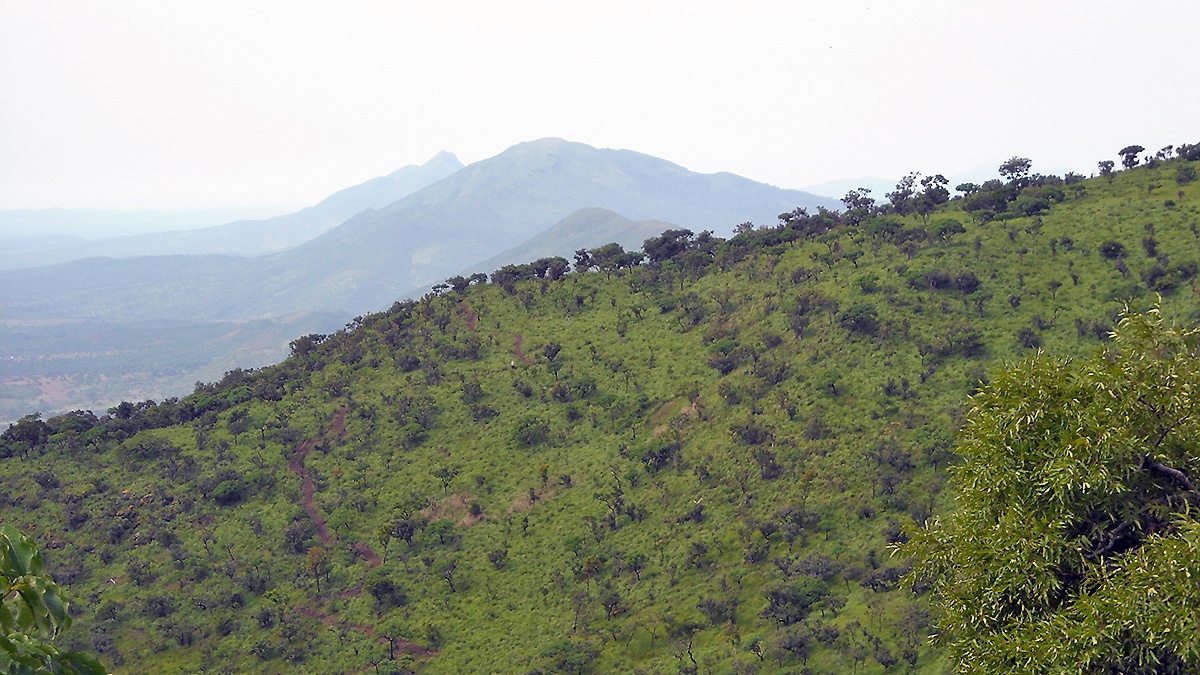
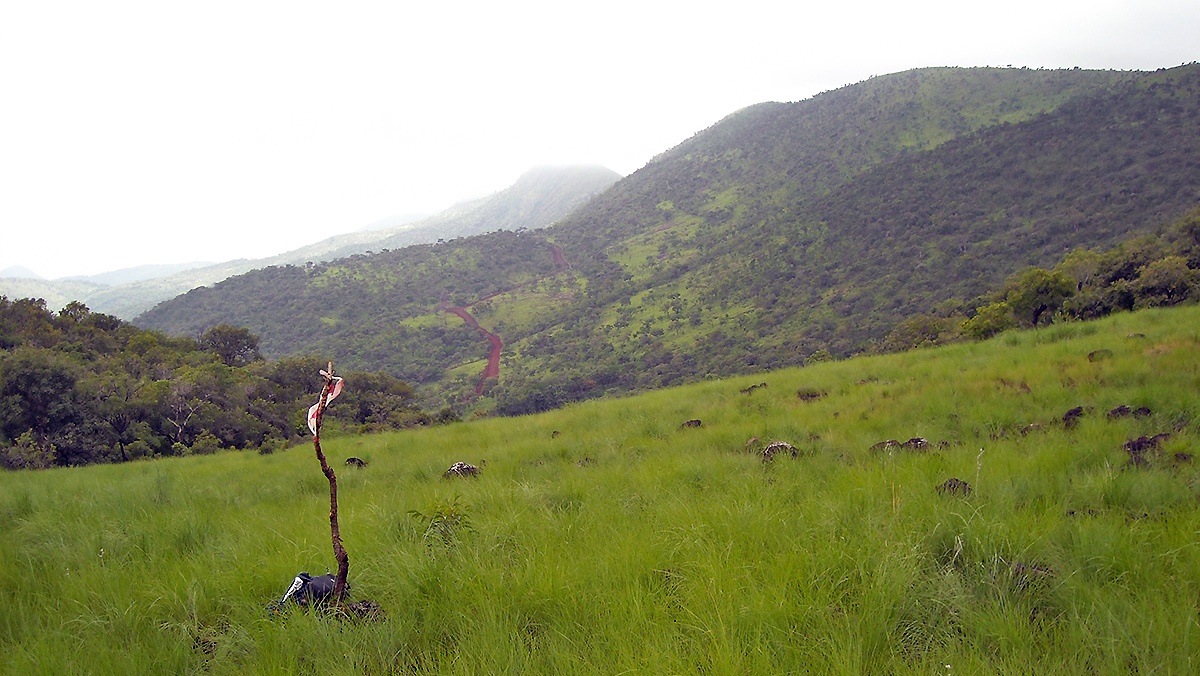
I have already been to Guinea for 4 weeks on a familiarisation trip and fitted in this trip to London to see our first grand-child, 10 days old today, before I return to Guinea to begin work in earnest. Time on the first trip was split between bases in the towns of N’Zérékoré and Kérouané both in southeastern Guinea some 170 km apart, the former where I will be based longer term after spending a month in Kérouané when I return to Guinea. I did not take my Canon equipment with me on this trip but did have a pocket digital camera with which I was able to take a few photos to show the environment in which I will be working.
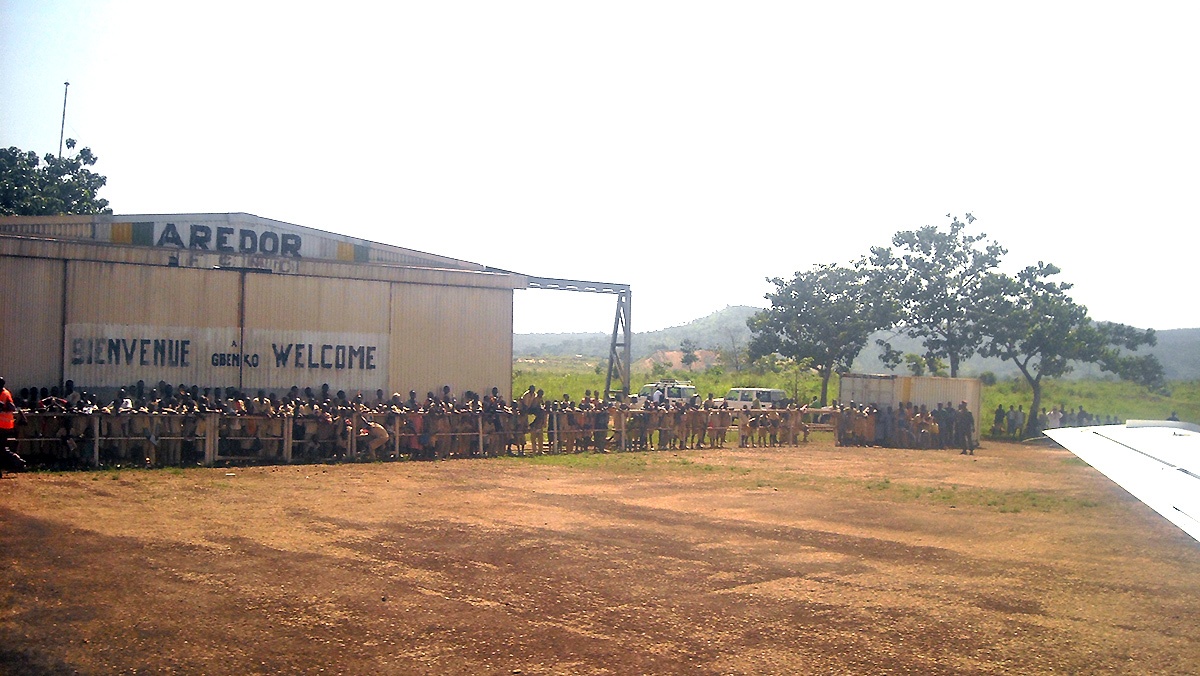
After spending a night in Conakry the capital of Guinea, I was flown to N’Zérékoré the country’s second-largest city, landing first at the Gbenko airfield near the town of Banankoro, the drop-off point for those going to Kérouané. It seemed like every schoolchild in the local area had lined up to watch the plane landing.
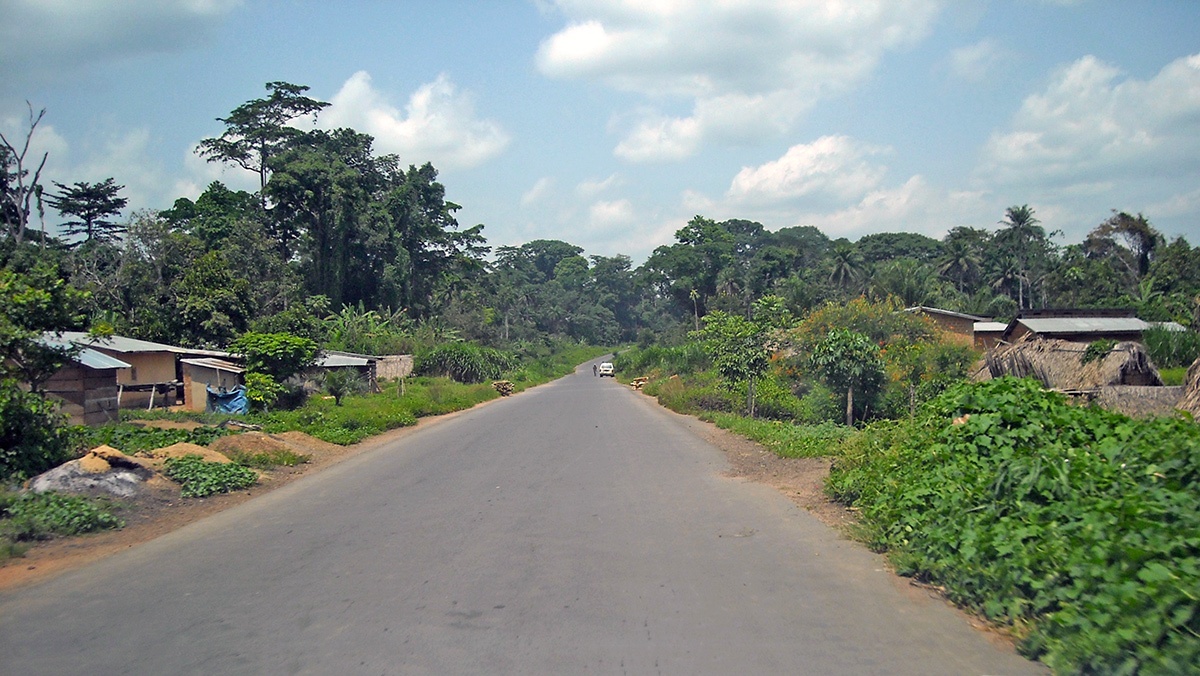
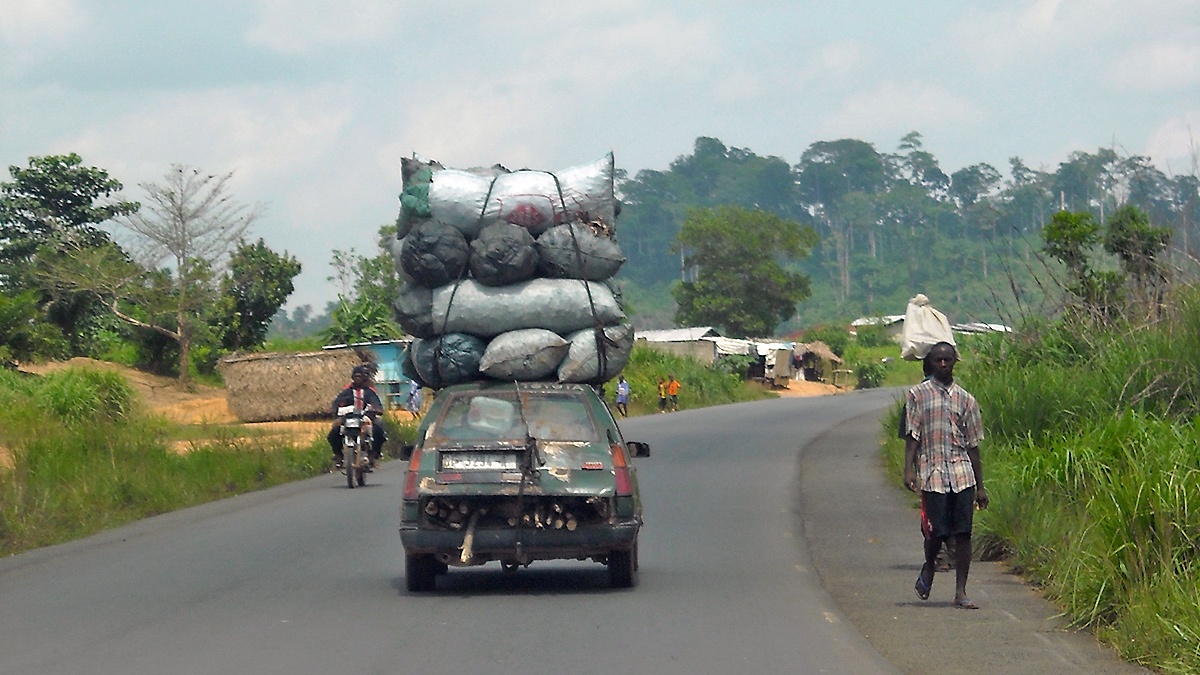
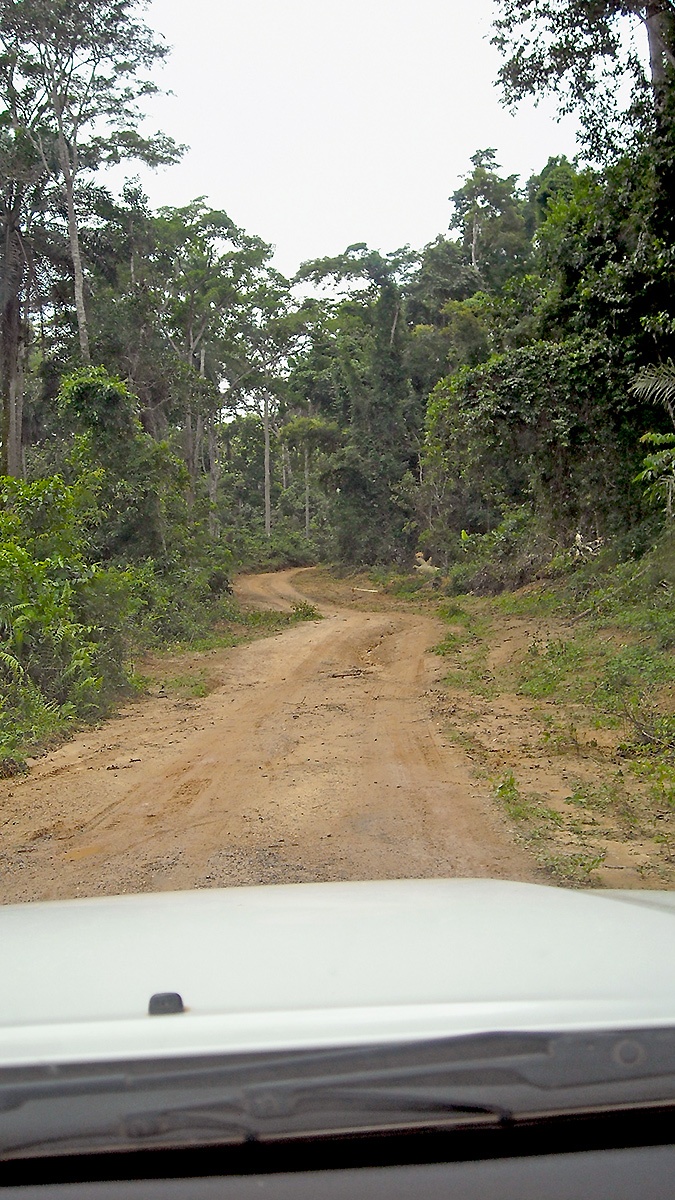
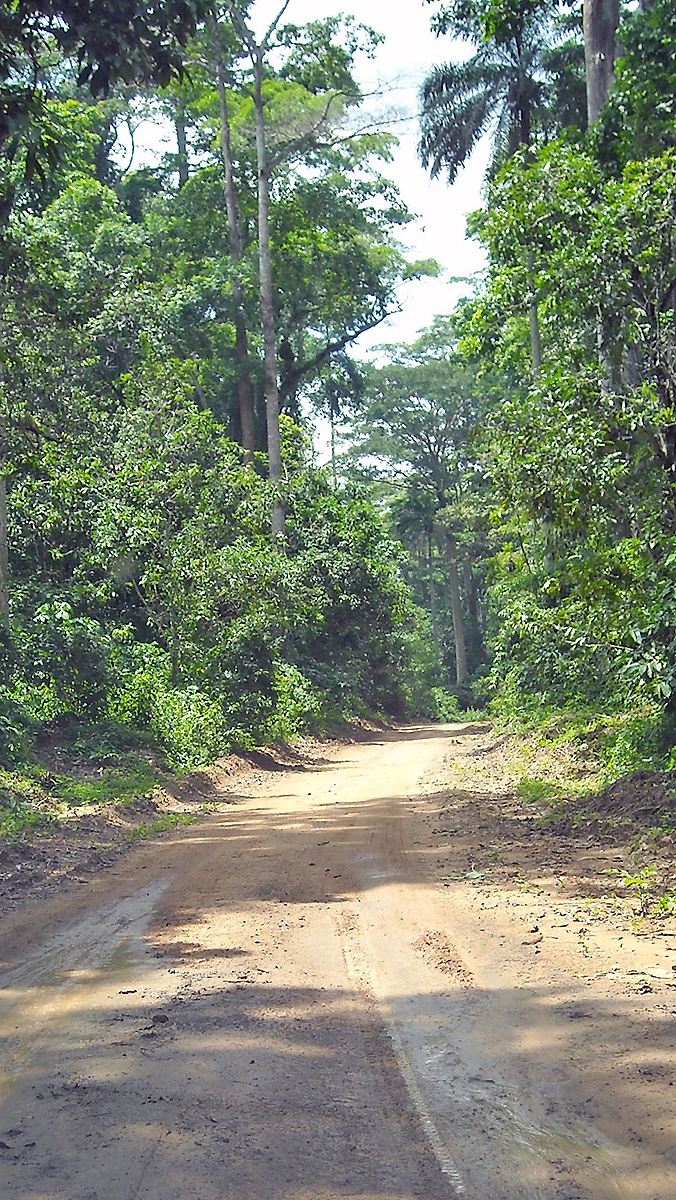
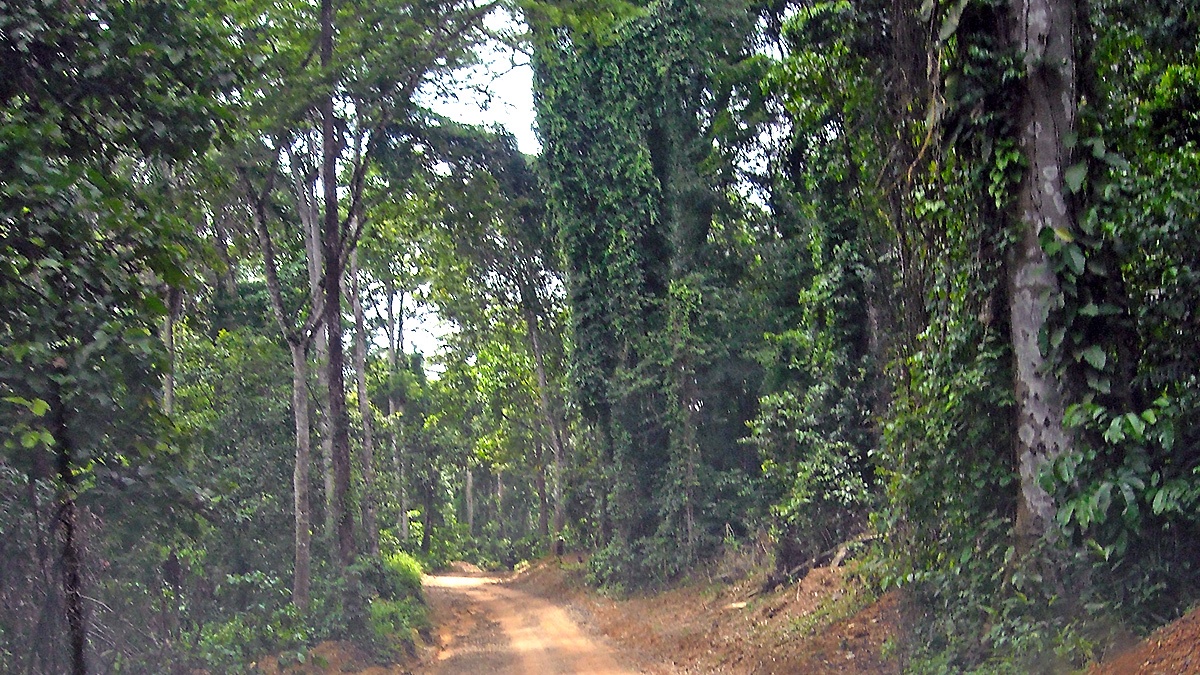
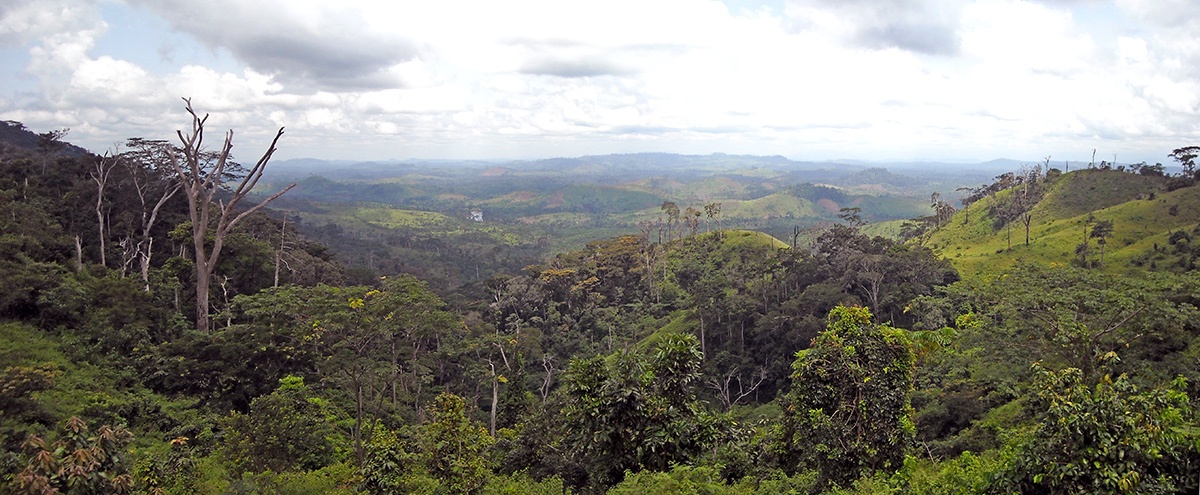
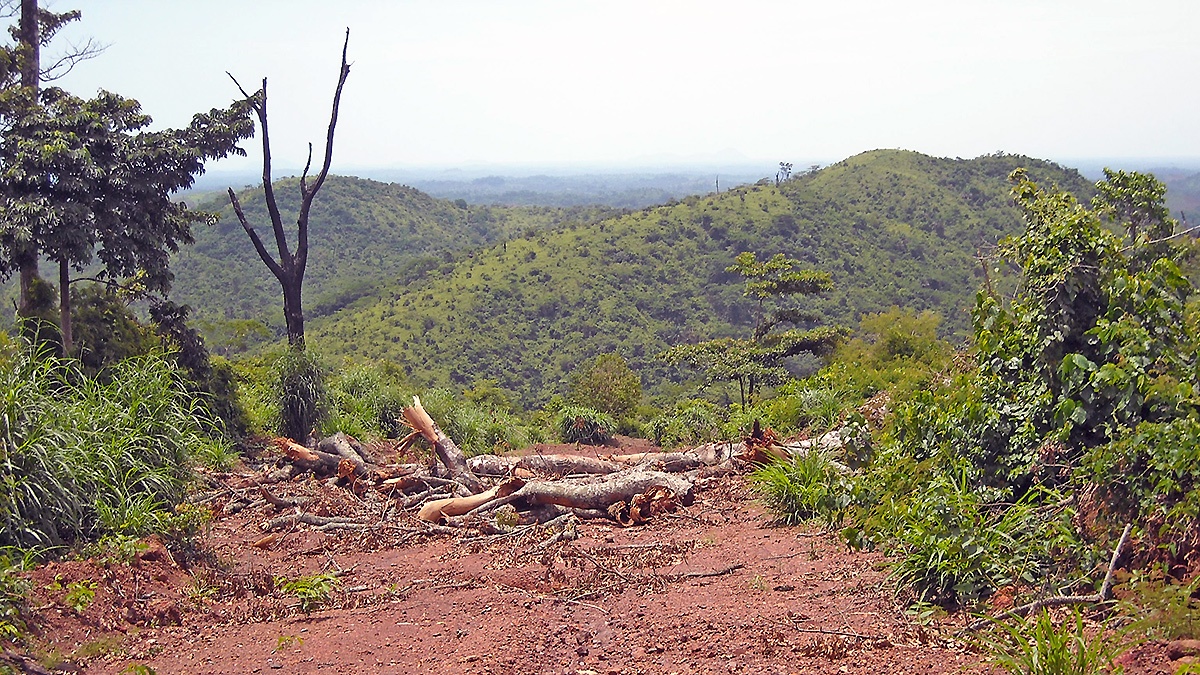
The very next day it was off for the 90-minute drive to the project site, initially on the main tar road that connects N’Zérékoré eventually to the capital, some 779 km and 2 days driving away, before turning off onto unpaved tracks. The project area lies on the northern fringe of the high rainfall Guinean forest zone, but due to a fire that raged out of control a decade ago 90% of the area is now secondary forest and scrub with primary forest only surviving in some ravines.
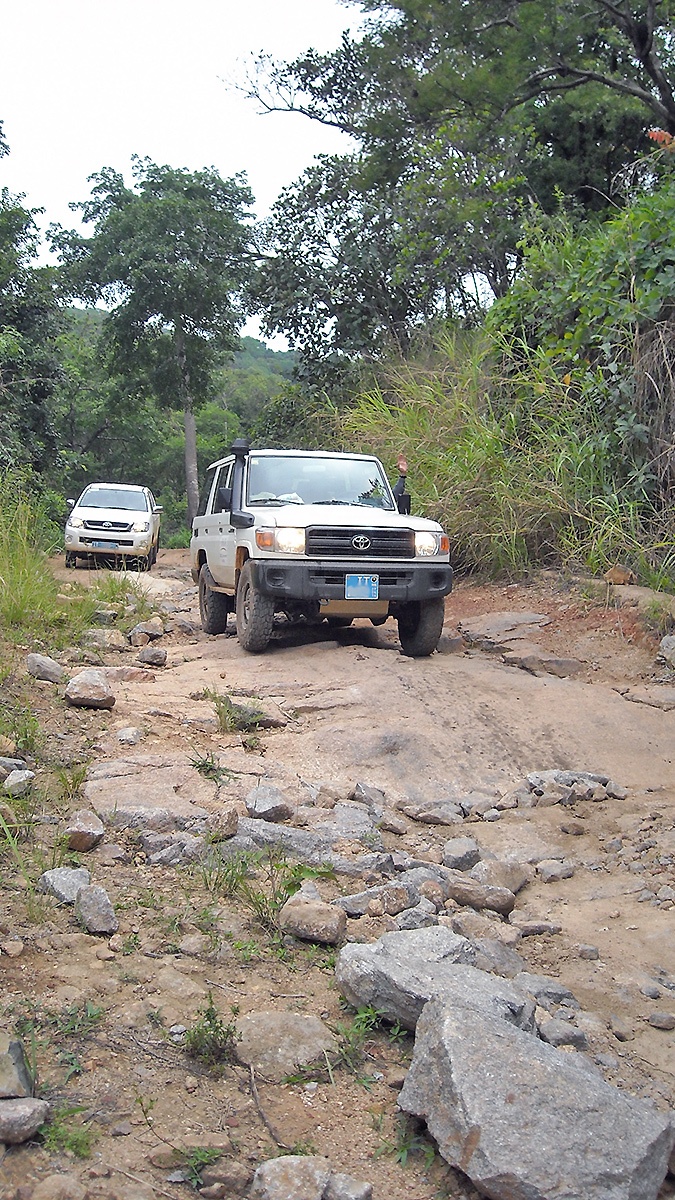
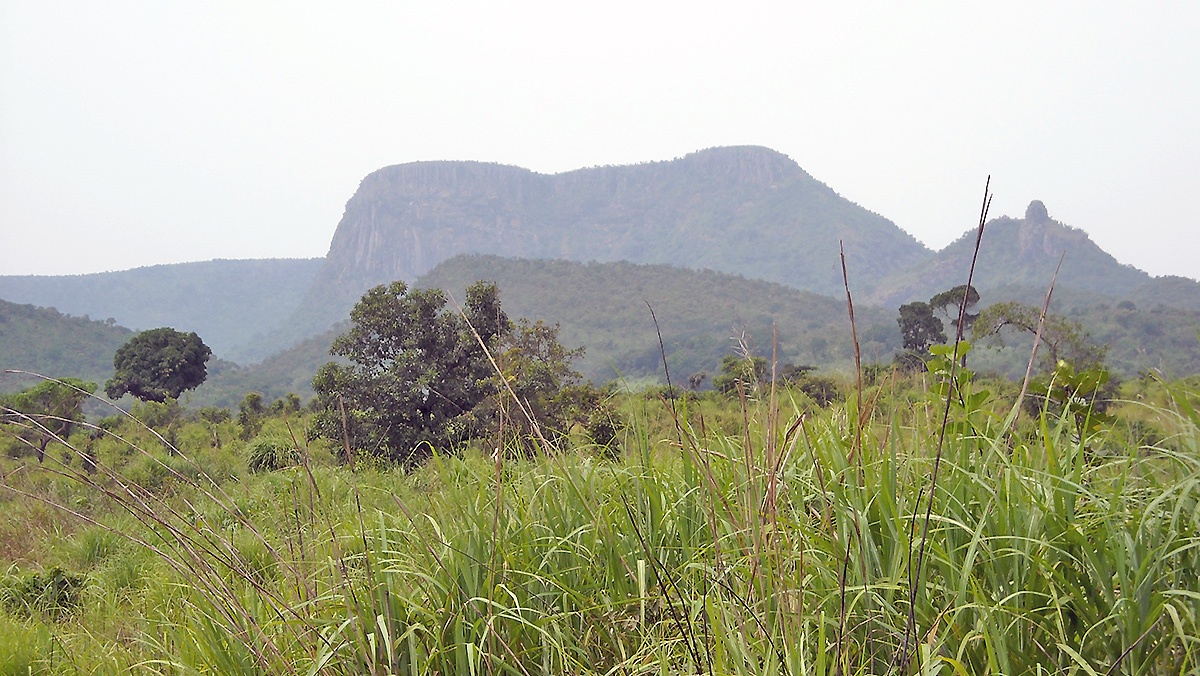
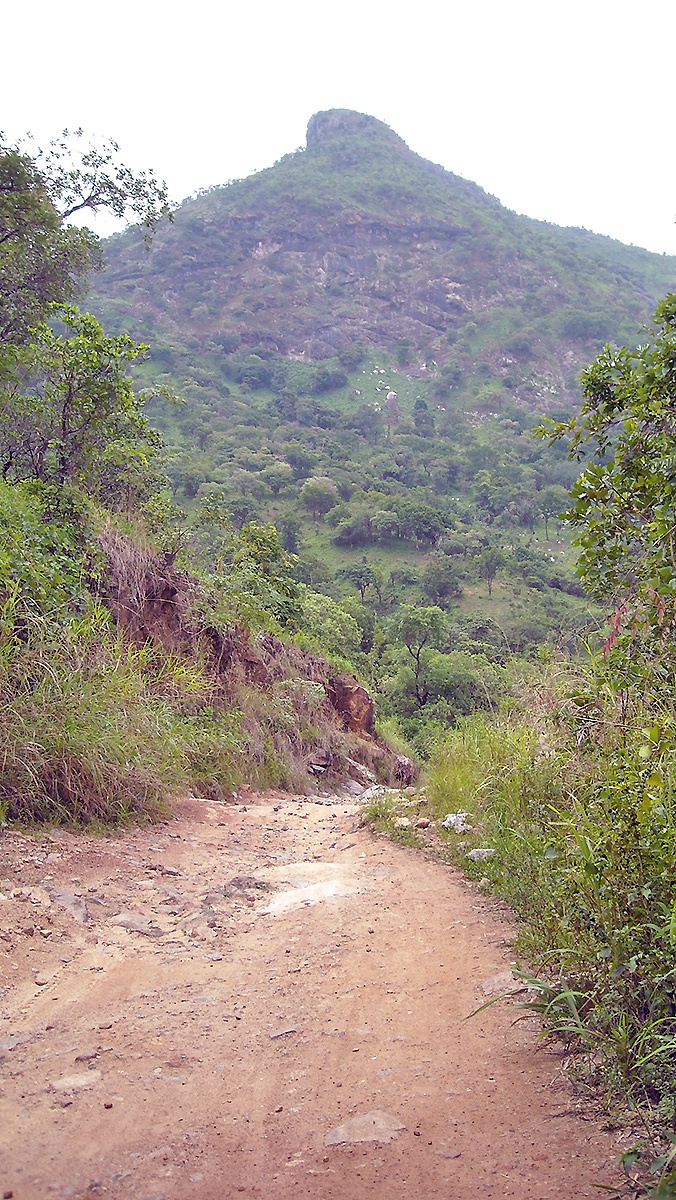
After a week of site familiarisation at N’Zérékoré it was back on the plane to Gbenko, from where we drove to Kérouané on what definitely qualified as a track rather than a road. Kérouané lies in a lower rainfall savanna (with scattered trees) zone some 170 km north of N’Zérékoré and the project area again involved a 90-minute drive to get there.