
Atlasville, 19 Oct 2011
The Zambian project has come to an end and with only a few very short jobs in the coming months (or so I thought) I have a lot of time on my hands before the next long-term project starts, hopefully in March, so I decided to get in as much birding as I can before then.
First up was 2 nights in the Karoo National Park at Beaufort West. I left before dawn on 16th October and arrived at the park in mid-afternoon giving me a few hours of birding time. I had the full day, dawn to dusk, the next day and after early morning birding on the 18th day headed for the Tankwa Karoo National Park. I’d reached Laingsburg when I got a phone call that meant I needed to be in Johannesburg for some work commencing tomorrow. Rather than simply turn around and retrace my route back up the N1 highway, I took the long, scenic route home, arriving well after dark. So much for the rest of my birding trip.
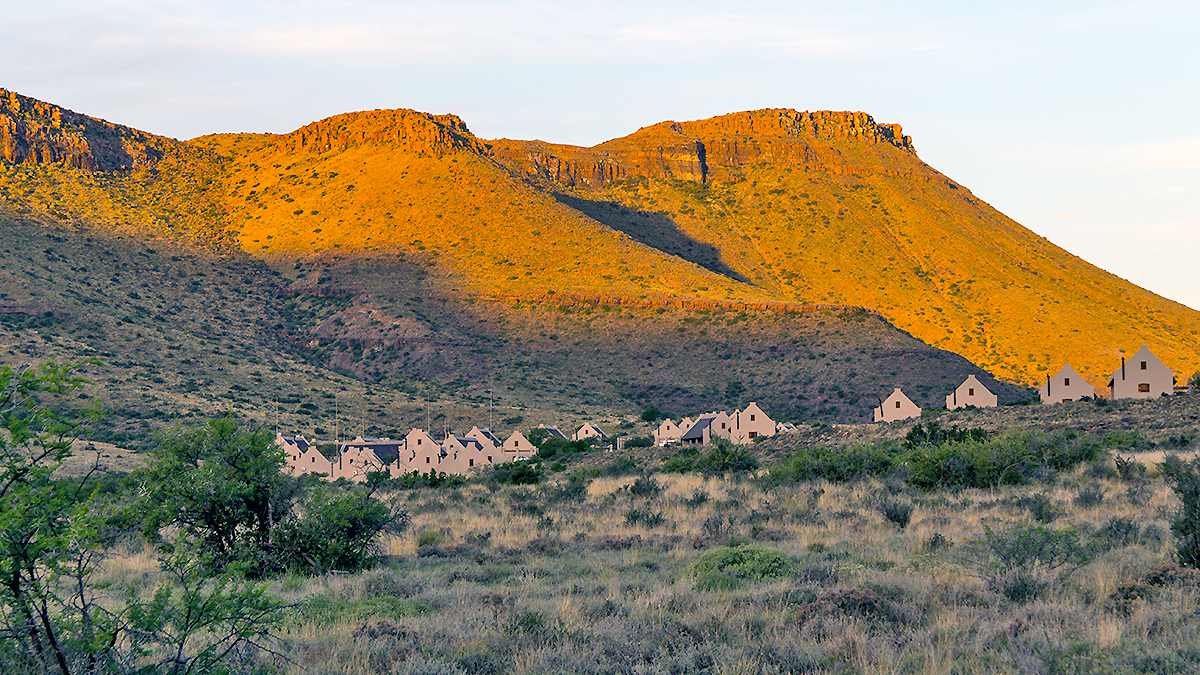
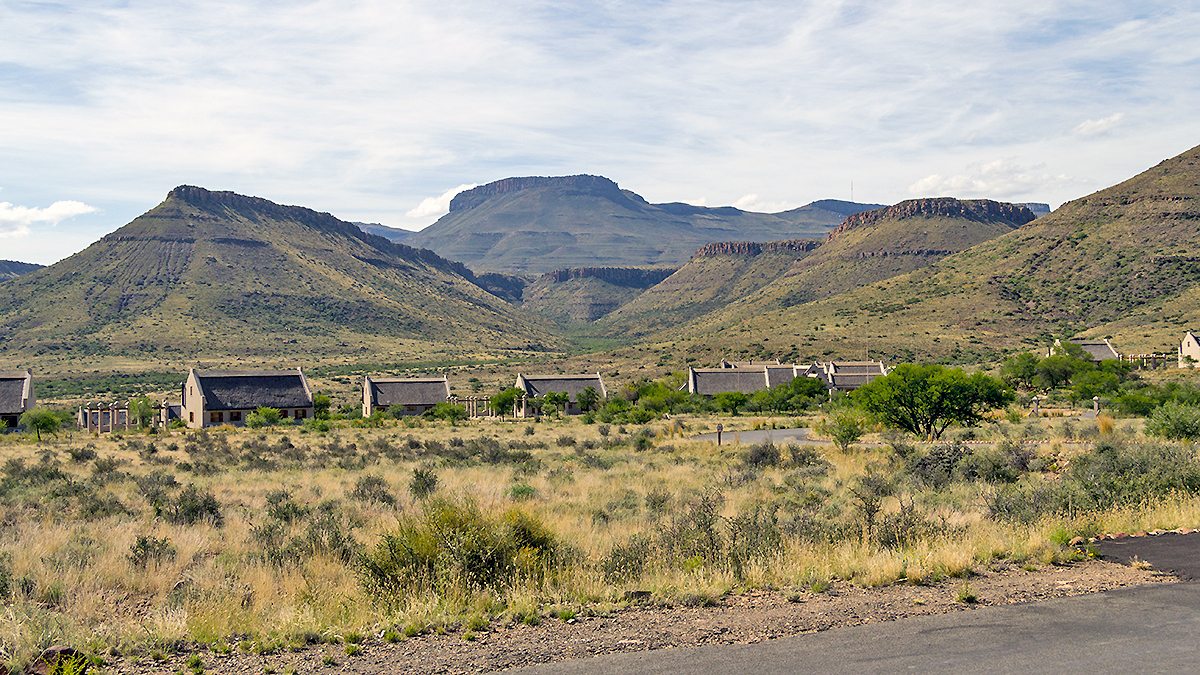
On arrival at the Karoo National Park that first afternoon, I headed straight to the rest camp, checked in and deposited my overnight bags in my chalet, then went for a drive up the Klipspringer Pass. I ticked off, among others, Short-toed Rock Thrush, Rock Martin, Dusky Sunbird, White-backed Mousebird, Lark-like Bunting, Bokmakierie and a singing Karoo Long-billed Lark.
I also came across a small herd of Cape Eland.
![Short-toed Rock Thrush [Monticola brevipes brevipes]](https://neilswildlifejournal.uk/wp-content/gallery/post-images-2011/CN8E0063_EOS-1D_KarooNP_16Oct2011.jpg "Short-toed Rock Thrush [Monticola brevipes brevipes]")
![Dusky Sunbird [Cinnyris fuscus fuscus]](https://neilswildlifejournal.uk/wp-content/gallery/nectariniidae/CN8E0062_EOS-1D_KarooNP_16Oct2011.jpg "Dusky Sunbird [Cinnyris fuscus fuscus]")
![Karoo Long-billed Lark [Certhilauda subcoronata gilli]](https://neilswildlifejournal.uk/wp-content/gallery/stenostiridae-paridae-remizidae-alaudidae/CN8E0089_EOS-1D_KarooNP_16Oct2011.jpg "Karoo Long-billed Lark [Certhilauda subcoronata gilli]")
![Lark-like Bunting [Emberiza impetuani sloggetti]](https://neilswildlifejournal.uk/wp-content/gallery/motacillidae-fringillidae-emberizidae-passerellidae/CN8E0081_EOS-1D_KarooNP_16Oct2011.jpg "Lark-like Bunting [Emberiza impetuani sloggetti]")
![Common Eland [Taurotragus oryx oryx]](https://neilswildlifejournal.uk/wp-content/gallery/ungulates/CN8E0075_EOS-1D_KarooNP_16Oct2011.jpg "Common Eland [Taurotragus oryx oryx]")
After an early breakfast the next day, I took a drive around the Lammertjiesleegte Loop (the smaller of the red loops on the map below), where the first photos taken were of a pair of ostriches. Other birds seen were Pririt Batis, Greater Striped Swallow, Cape Bunting, African Red-eyed Bulbul, Southern Double-collared Sunbird, Rock Martin, Pale Chanting Goshawk and a Sabota Lark singing from the top of a bush.
The mammals seen were Steenbok and Mountain Zebra.
Returning to the rest camp I called in at the bird hide, which is just a short walk from the camp, where I watched Southern Red Bishop, Southern Masked Weaver and Common Reed Warbler in the reeds fringing the small dam.
![Common Ostrich [Struthio camelus australis]](https://neilswildlifejournal.uk/wp-content/gallery/post-images-2011/CN8E0094_EOS-1D_KarooNP_17Oct2011.jpg "Common Ostrich [Struthio camelus australis]")
![Common Ostrich [Struthio camelus australis]](https://neilswildlifejournal.uk/wp-content/gallery/post-images-2011/IMG_0026_60D_KarooNP_17Oct2011.jpg "Common Ostrich [Struthio camelus australis]")
![Greater Striped Swallow [Cecropis cucullata]](https://neilswildlifejournal.uk/wp-content/gallery/post-images-2011/CN8E0110_EOS-1D_KarooNP_17Oct2011.jpg "Greater Striped Swallow [Cecropis cucullata]")
![African Red-eyed Bulbul [Pycnonotus nigricans nigricans]](https://neilswildlifejournal.uk/wp-content/gallery/pycnonotidae-hirundinidae/CN8E0138_EOS-1D_KarooNP_17Oct2011.jpg "African Red-eyed Bulbul [Pycnonotus nigricans nigricans]")
![Sabota Lark [Calendulauda sabota bradfieldi]](https://neilswildlifejournal.uk/wp-content/gallery/post-images-2011/CN8E0102_EOS-1D_KarooNP_17Oct2011.jpg "Sabota Lark [Calendulauda sabota bradfieldi]")
![Southern Red Bishop [Euplectes orix]](https://neilswildlifejournal.uk/wp-content/gallery/post-images-2011/CN8E0120_EOS-1D_KarooNP_17Oct2011.jpg "Southern Red Bishop [Euplectes orix]")
![Southern Masked Weaver [Ploceus velatus]](https://neilswildlifejournal.uk/wp-content/gallery/post-images-2011/CN8E0136_EOS-1D_KarooNP_17Oct2011.jpg "Southern Masked Weaver [Ploceus velatus]")
![Common Reed Warbler [Acrocephalus scirpaceus baeticatus]](https://neilswildlifejournal.uk/wp-content/gallery/macrosphenidae-cettidae-aegithalidae-phylloscopidae-acrocephalidae-locustellidae-donacobiidae-cisticolidae/CN8E0121_EOS-1D_KarooNP_17Oct2011.jpg "Common Reed Warbler [Acrocephalus scirpaceus baeticatus]")
![Steenbok [Raphicerus campestris]](https://neilswildlifejournal.uk/wp-content/gallery/ungulates/CN8E0112_EOS-1D_KarooNP_17Oct2011.jpg "Steenbok [Raphicerus campestris]")
![Mountain Zebra [Equus zebra zebra]](https://neilswildlifejournal.uk/wp-content/gallery/ungulates/IMG_0024_60D_KarooNP_17Oct2011.jpg "Mountain Zebra [Equus zebra zebra]")
After a short break I headed out to drive around the Potlekkertjie Loop (the large, western loop on the map), which due to time constraints on previous visits I have never done before. This loop is 43km long and at a good average birding speed (including stops) would take up to 4 hours to complete. Going clockwise around the loop the road first heads south, out into the flat grassland of the Great Karoo, then parallels the edge of the Nuweveld escarpment before climbing up onto the plateau behind the escarpment, before dropping down again via the Klipspringer Pass to the rest camp.
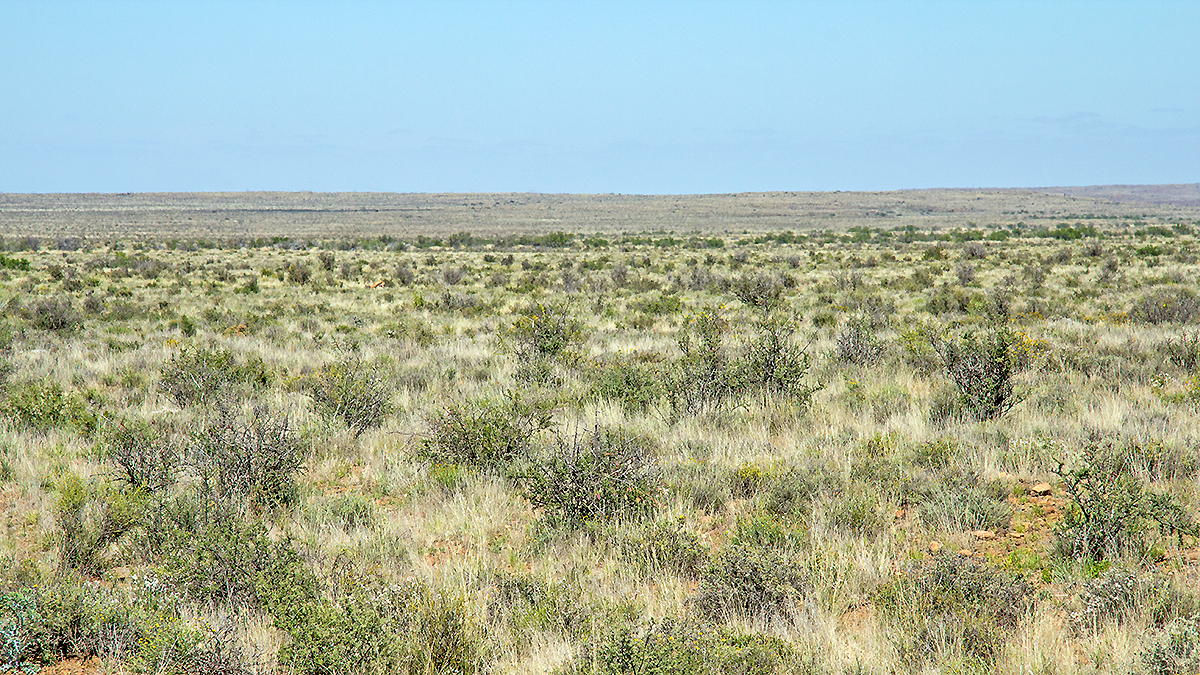
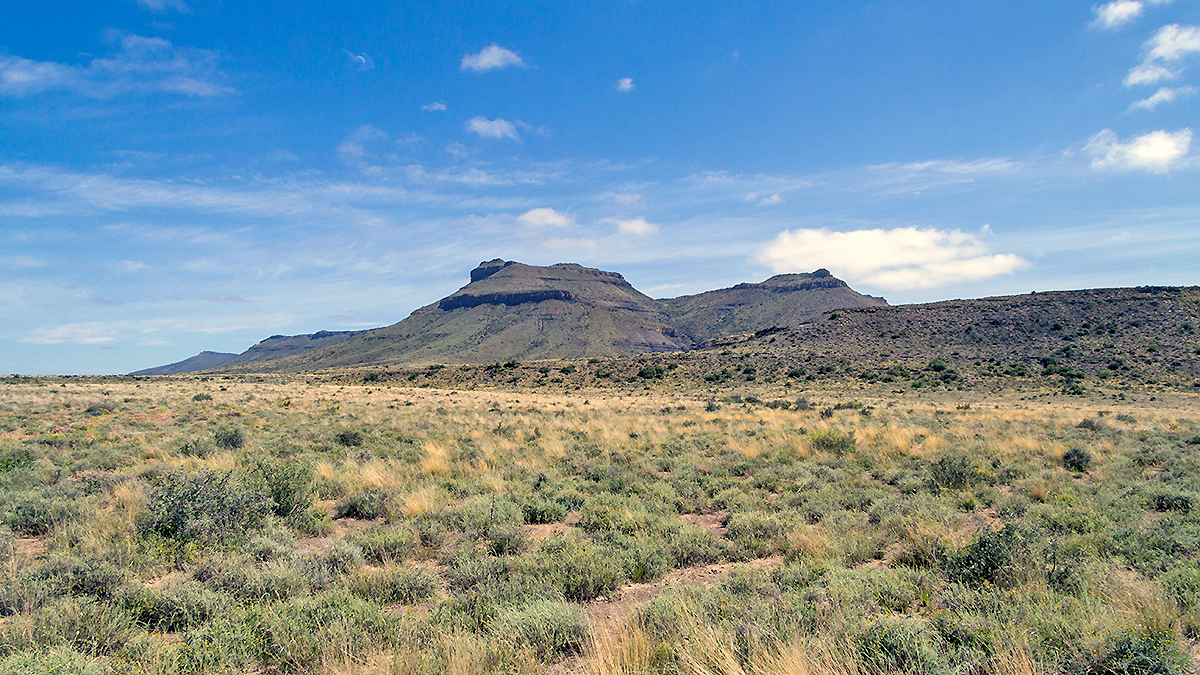
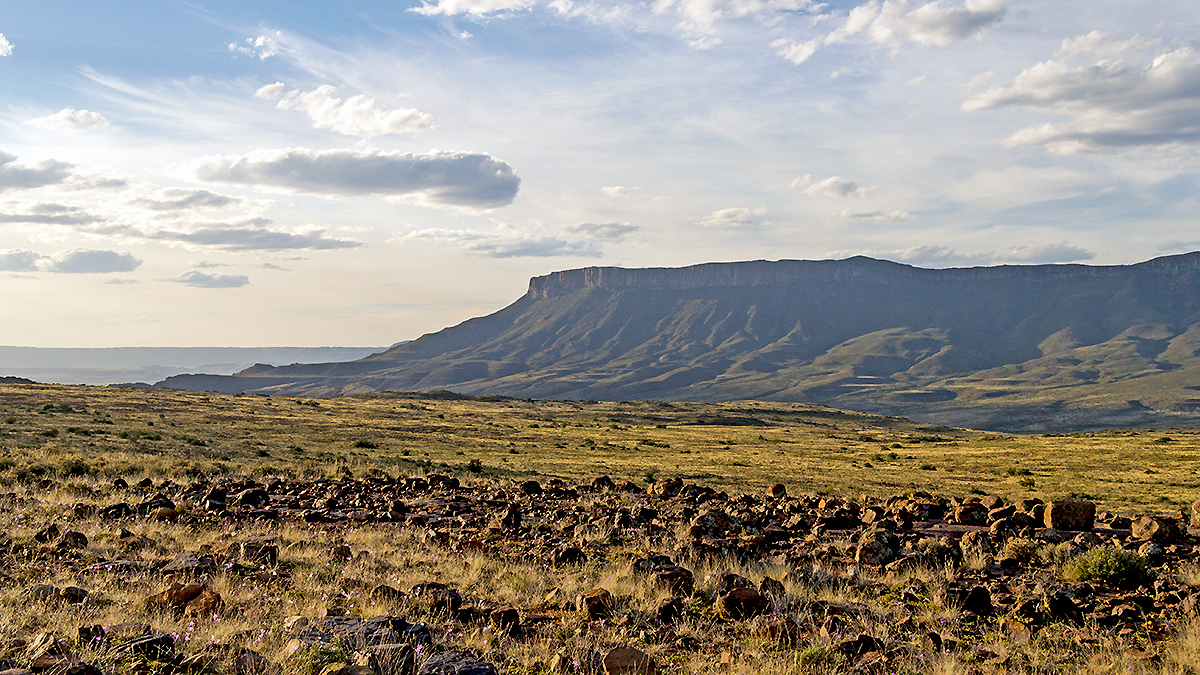
I was able to tick off many of the species expected in this area, such as Grey-backed Cisticola, Rufous-eared Warbler, Chestnut-vented Warbler, Layard’s Warbler, Karoo Chat, Sickle-winged Chat, Black-eared Sparrow-Lark (my first photo of this one), Grey-backed Sparrow-Lark, Lark-like Bunting, Cape Bunting, Mountain Chat, White-throated Canary, Karoo Long-billed Lark and Black-headed Canary, as well as Cape Wagtail, Plain-backed Pipit, Southern Fiscal, White-backed Mousebird and Namaqua Dove among others.
After a late afternoon drive back up the Klipspringer Pass I was able to end the day with a species total of 55 for Karoo NP.
![Grey-backed Cisticola [Cisticola subruficapilla subruficapilla]](https://neilswildlifejournal.uk/wp-content/gallery/macrosphenidae-cettidae-aegithalidae-phylloscopidae-acrocephalidae-locustellidae-donacobiidae-cisticolidae/CN8E0150_EOS-1D_KarooNP_17Oct2011.jpg "Grey-backed Cisticola [Cisticola subruficapilla subruficapilla]")
![Grey-backed Cisticola [Cisticola subruficapilla subruficapilla]](https://neilswildlifejournal.uk/wp-content/gallery/macrosphenidae-cettidae-aegithalidae-phylloscopidae-acrocephalidae-locustellidae-donacobiidae-cisticolidae/CN8E0146_EOS-1D_KarooNP_17Oct2011.jpg "Grey-backed Cisticola [Cisticola subruficapilla subruficapilla]")
![Rufous-eared Warbler [Malcorus pectoralis pectoralis]](https://neilswildlifejournal.uk/wp-content/gallery/macrosphenidae-cettidae-aegithalidae-phylloscopidae-acrocephalidae-locustellidae-donacobiidae-cisticolidae/CN8E0158_EOS-1D_KarooNP_17Oct2011.jpg "Rufous-eared Warbler [Malcorus pectoralis pectoralis]")
![Karoo Chat [Emarginata schlegelii pollux]](https://neilswildlifejournal.uk/wp-content/gallery/turdidae-muscicapidae-cinclidae-chloropseidae-dicaeidae/CN8E0169_EOS-1D_KarooNP_17Oct2011.jpg "Karoo Chat [Emarginata schlegelii pollux]")
![Black-eared Sparrow-Lark [Eremopterix australis]](https://neilswildlifejournal.uk/wp-content/gallery/stenostiridae-paridae-remizidae-alaudidae/CN8E0179_EOS-1D_KarooNP_17Oct2011.jpg "Black-eared Sparrow-Lark [Eremopterix australis]")
![Black-eared Sparrow-Lark [Eremopterix australis]](https://neilswildlifejournal.uk/wp-content/gallery/stenostiridae-paridae-remizidae-alaudidae/CN8E0196_EOS-1D_KarooNP_17Oct2011.jpg "Black-eared Sparrow-Lark [Eremopterix australis]")
![Grey-backed Sparrow-Lark [Eremopterix verticalis verticalis]](https://neilswildlifejournal.uk/wp-content/gallery/stenostiridae-paridae-remizidae-alaudidae/CN8E0192_EOS-1D_KarooNP_17Oct2011.jpg "Grey-backed Sparrow-Lark [Eremopterix verticalis verticalis]")
![Cape Bunting [Emberiza capensis cinnamomea]](https://neilswildlifejournal.uk/wp-content/gallery/motacillidae-fringillidae-emberizidae-passerellidae/CN8E0221_EOS-1D_KarooNP_17Oct2011.jpg "Cape Bunting [Emberiza capensis cinnamomea]")
![Mountain Chat [Myrmecocichla monticola monticola]](https://neilswildlifejournal.uk/wp-content/gallery/turdidae-muscicapidae-cinclidae-chloropseidae-dicaeidae/CN8E0234_EOS-1D_KarooNP_17Oct2011.jpg "Mountain Chat [Myrmecocichla monticola monticola]")
![White-throated Canary [Crithagra albogularis albogularis]](https://neilswildlifejournal.uk/wp-content/gallery/motacillidae-fringillidae-emberizidae-passerellidae/CN8E0254_EOS-1D_KarooNP_17Oct2011.jpg "White-throated Canary [Crithagra albogularis albogularis]")
![Karoo Long-billed Lark [Certhilauda subcoronata gilli]](https://neilswildlifejournal.uk/wp-content/gallery/stenostiridae-paridae-remizidae-alaudidae/CN8E0273_EOS-1D_KarooNP_17Oct2011.jpg "Karoo Long-billed Lark [Certhilauda subcoronata gilli]")
![Black-headed Canary [Serinus alario alario]](https://neilswildlifejournal.uk/wp-content/gallery/motacillidae-fringillidae-emberizidae-passerellidae/CN8E0282_EOS-1D_KarooNP_17Oct2011.jpg "Black-headed Canary [Serinus alario alario]")
![Black-headed Canary [Serinus alario alario]](https://neilswildlifejournal.uk/wp-content/gallery/motacillidae-fringillidae-emberizidae-passerellidae/CN8E0285_EOS-1D_KarooNP_17Oct2011.jpg "Black-headed Canary [Serinus alario alario]")
![Black-headed Canary [Serinus alario alario]](https://neilswildlifejournal.uk/wp-content/gallery/motacillidae-fringillidae-emberizidae-passerellidae/CN8E0283_EOS-1D_KarooNP_17Oct2011.jpg "Black-headed Canary [Serinus alario alario]")
![Cape Wagtail [Motacilla capensis capensis]](https://neilswildlifejournal.uk/wp-content/gallery/post-images-2011/CN8E0251_EOS-1D_KarooNP_17Oct2011.jpg "Cape Wagtail [Motacilla capensis capensis]")
![Southern Fiscal [Lanius collaris collaris]](https://neilswildlifejournal.uk/wp-content/gallery/oriolidae-dicruridae-monarchidae-laniidae-corvidae-chaetopidae-ptiliogonatidae/CN8E0142_EOS-1D_KarooNP_17Oct2011.jpg "Southern Fiscal [Lanius collaris collaris]")
![White-backed Mousebird [Colius colius colius]](https://neilswildlifejournal.uk/wp-content/gallery/coliiformes-trogoniformes-bucerotiformes/CN8E0144_EOS-1D_KarooNP_17Oct2011.jpg "White-backed Mousebird [Colius colius colius]")
During the course of the day I was able to photograph a few of the mammal and reptile species. These included Mountain Zebra, Gemsbok and Red Hartebeest, as well as Southern Spiny Agama, Cape Crag Lizard and Southern Rock Agama, although when it comes to lizards these are very tentative IDs.
![Mountain Zebra [Equus zebra zebra]](https://neilswildlifejournal.uk/wp-content/gallery/ungulates/IMG_0040_60D_KarooNP_17Oct2011.jpg "Mountain Zebra [Equus zebra zebra]")
![Gemsbok [Oryx gazella]](https://neilswildlifejournal.uk/wp-content/gallery/ungulates/CN8E0269_EOS-1D_KarooNP_17Oct2011.jpg "Gemsbok [Oryx gazella]")
![Hartebeest [Alcelaphus buselaphus caama]](https://neilswildlifejournal.uk/wp-content/gallery/ungulates/CN8E0275_EOS-1D_KarooNP_17Oct2011.jpg "Hartebeest [Alcelaphus buselaphus caama]")
![Southern Spiny Agama [Agama hispida?]](https://neilswildlifejournal.uk/wp-content/gallery/reptiles/CN8E0231_EOS-1D_KarooNP_17Oct2011.jpg "Southern Spiny Agama [Agama hispida?]")
![Cape Crag Lizard [Pseudocordylus microlepidotus namaquensis?]](https://neilswildlifejournal.uk/wp-content/gallery/reptiles/CN8E0239_EOS-1D_KarooNP_17Oct2011.jpg "Cape Crag Lizard [Pseudocordylus microlepidotus namaquensis?]")
![Southern Rock Agama [Agama atra?]](https://neilswildlifejournal.uk/wp-content/gallery/reptiles/CN8E0242_EOS-1D_KarooNP_17Oct2011.jpg "Southern Rock Agama [Agama atra?]")
On the final morning, I did a quick circuit around the Lammertjiesleegte Loop on my out of the Park to head down the N1 highway to Laingsburg, where I would receive the phone call that would cut short my trip.
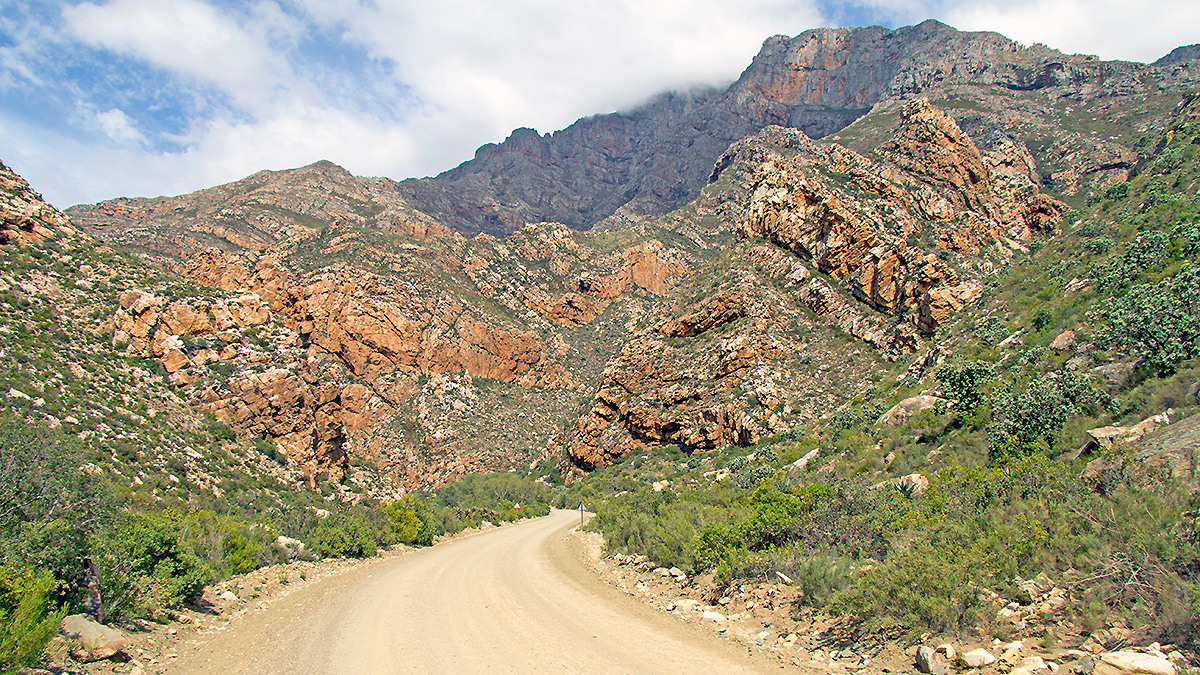
Leaving Laingsburg I headed south-east to the Seweweekspoort. This mountain pass has the most amazing fold structures in the rock strata through which it cuts, which as I geologist I could really appreciate. I even managed to add a new bird to the trip list, a Streaky-headed Seedeater, when I stopped in one of the pull-offs.
During the rest of the morning and early afternoon, before I got back onto the main roads heading back to Johannesburg, I still managed to add a few more species to the trip list, including Blue Crane, Pied Crow, Pied Starling, Ant-eating Chat, Lesser Kestrel and Rock Kestrel.
![Streaky-headed Seedeater [Crithagra gularis humilis]](https://neilswildlifejournal.uk/wp-content/gallery/post-images-2011/CN8E0295_EOS-1D_Seweweekspoort_111018.jpg "Streaky-headed Seedeater [Crithagra gularis humilis]")
![Streaky-headed Seedeater [Crithagra gularis humilis]](https://neilswildlifejournal.uk/wp-content/gallery/motacillidae-fringillidae-emberizidae-passerellidae/CN8E0300_EOS-1D_Seweweekspoort_111018.jpg "Streaky-headed Seedeater [Crithagra gularis humilis]")