
Lusaka, 10 May 2011
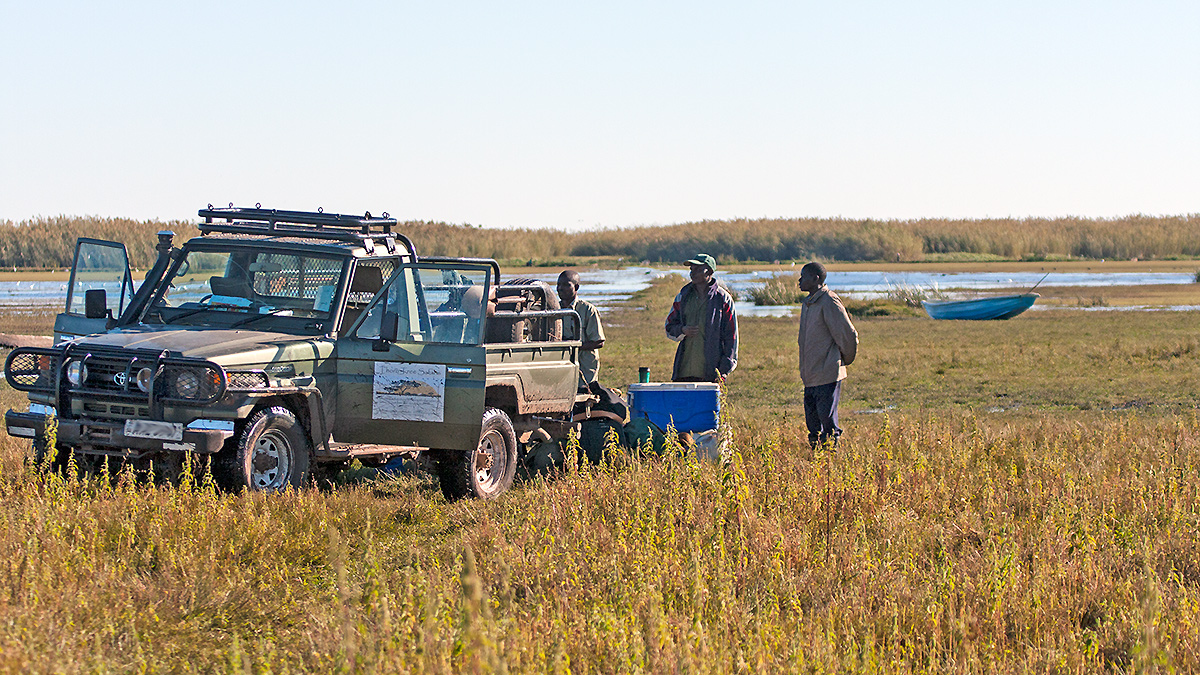
About 75km due north from Kasanka lies Shoebill Island on the fringes of the vast Bangweulu Swamps. However, the road trip is some 145km and over 5 hours (yes, the road if it can be called that, is in places interesting!). Shoebill Camp is also run by the Kasanka Trust, so there being no other guests at Kasanka, Webby the bird guide accompanied me to Shoebill. We dropped off his bicycle at the village of Chiundaponde and dropped Webby off there on our way out. He had a 94km bike ride ahead of him to get back to Kasanka – that’s dedication! Surely he knows a shortcut.
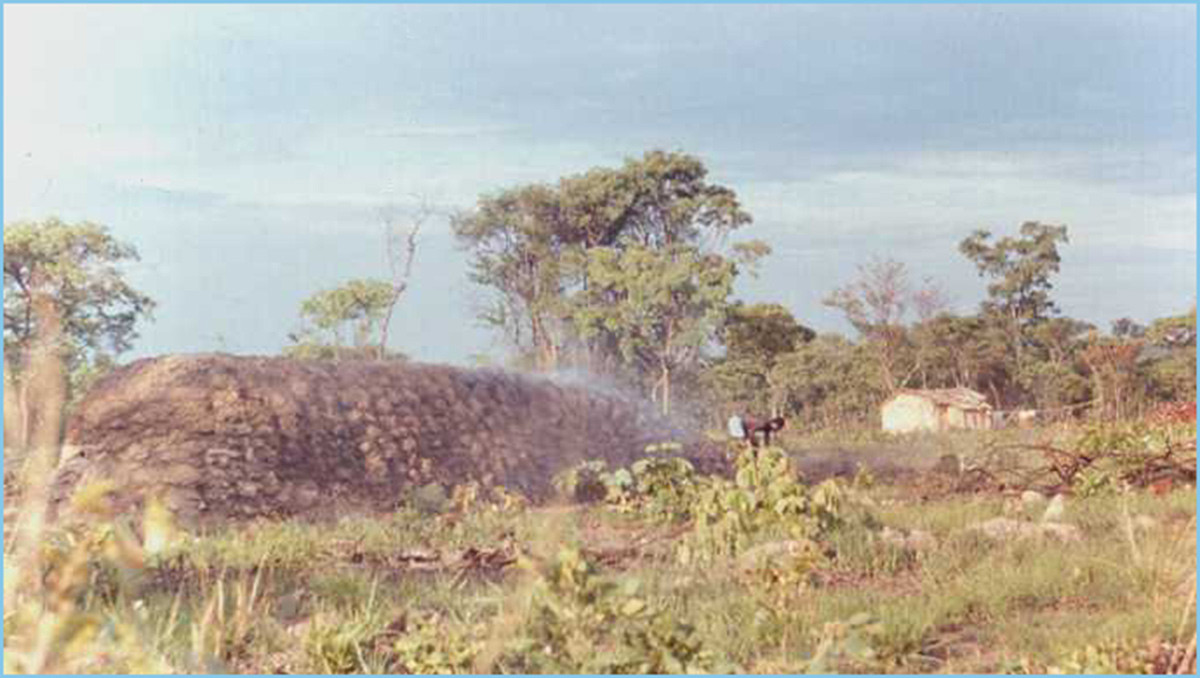
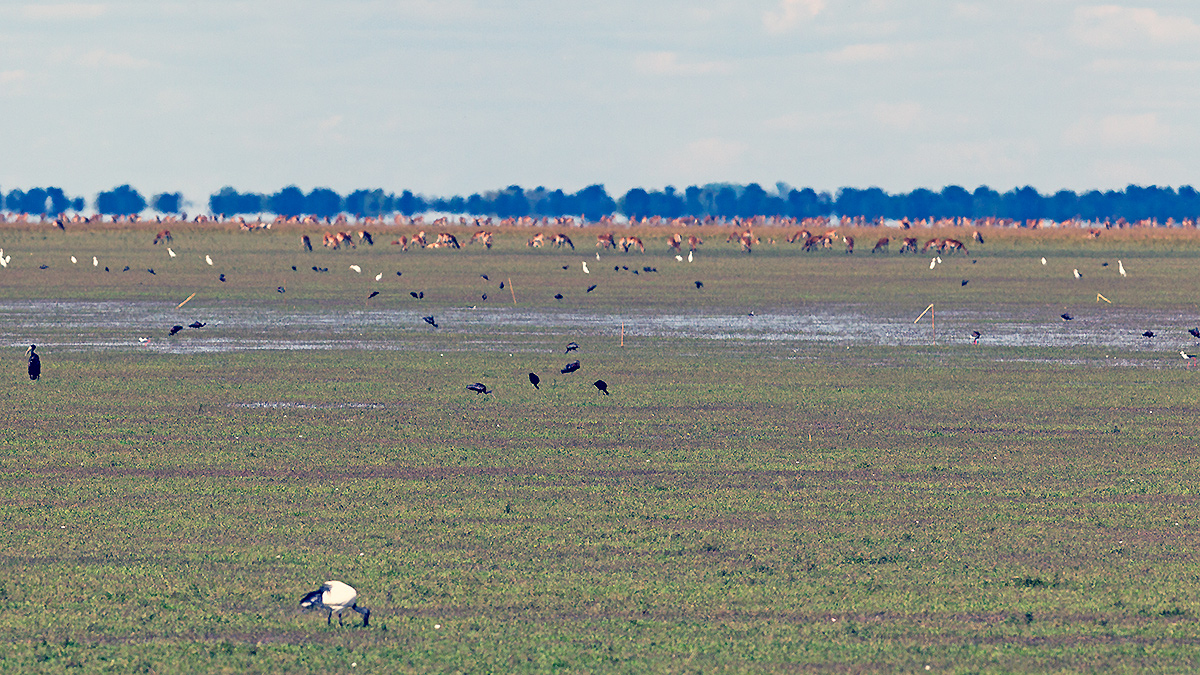
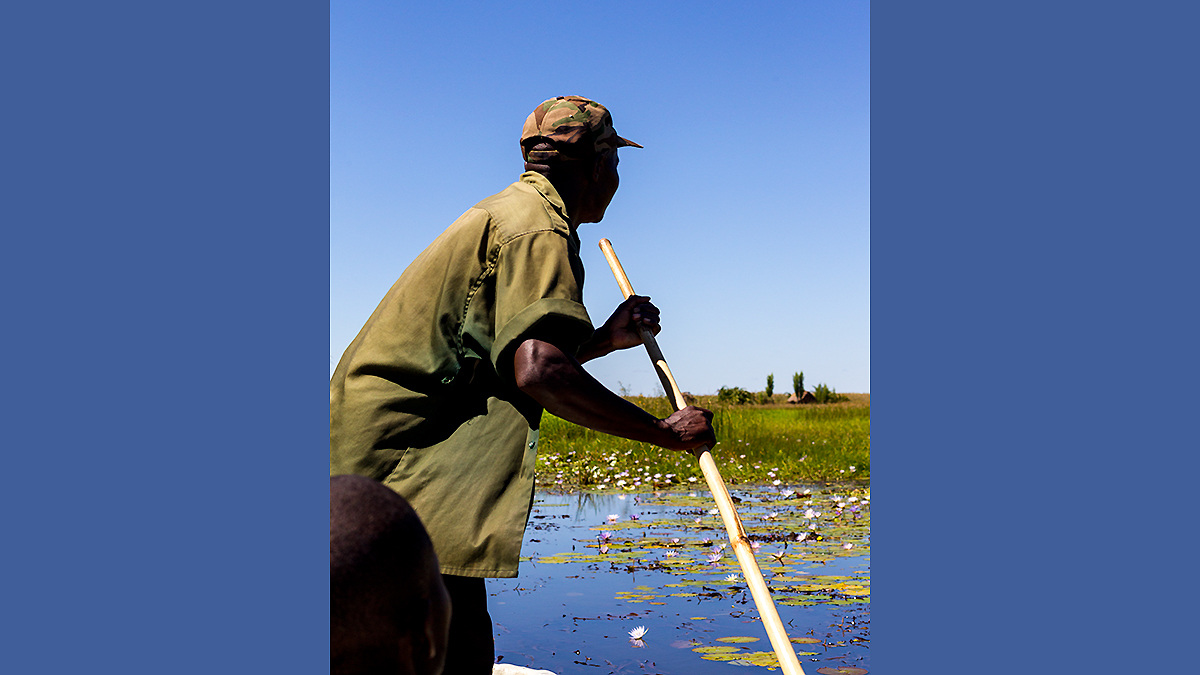
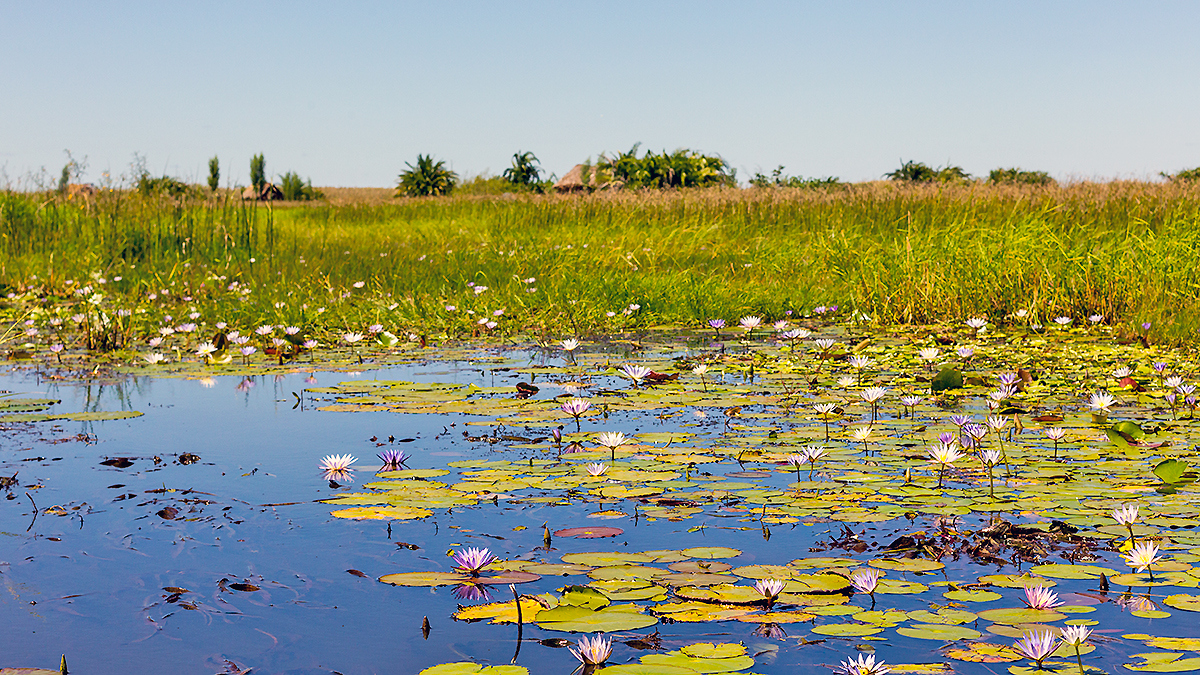
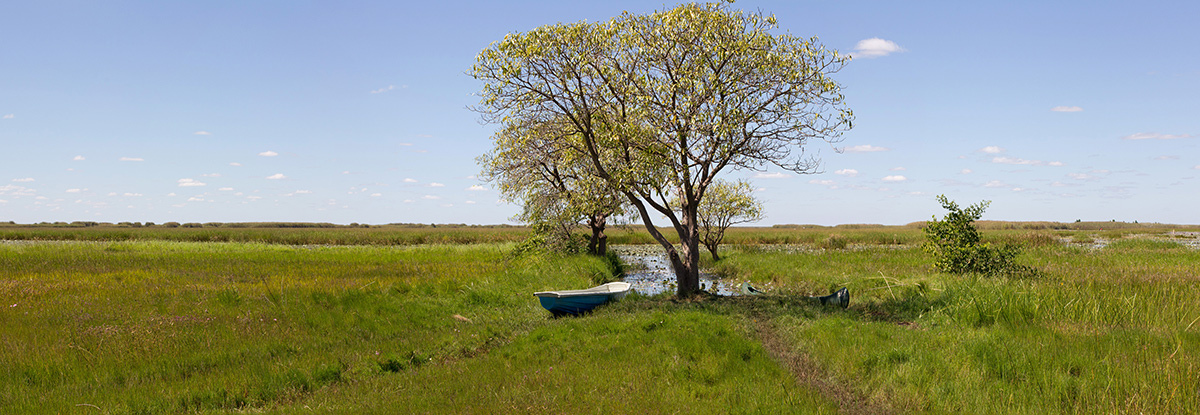
Most of the drive to Shoebill is through secondary miombo, as most of the primary forest has been cleared through slash and burn agriculture or charcoal burning. Eventually we arrived at the edge of the seasonal wetland, a vast plain only recently dried out following the rains (almost dried out – we came to grief where it hadn’t) and where large herds of Black Lechwe roam. This sub-species of lechwe is found only in the Bangweulu region. Crossing the plain is a 7km long causeway, the only way to get to the ZAWA (Zambia Wildlife Authority) camp – ZAWA have overall management of Zambia’s national parks – at the entrance to the Bangweulu Wetlands National Park (where Shoebill lies) during the rainy season, for most of which Shoebill itself is inaccessible. At ZAWA we had to leave our vehicle and transfer to a boat for the final 3km to Shoebill Island camp. From July to November the swamp dries out sufficiently for vehicle access to Shoebill Camp, but May/June is the best time to go Shoebill hunting in what is one of Africa’s most reliable spots – some 250 Shoebill are thought to live in the Bangweulu region.
[P.S. The Zambia Wildlife Authority (ZAWA) was dissolved in 2016, and its responsibilities were transferred to the Department of National Parks and Wildlife (DNPW) under the Ministry of Tourism]
On the short boat ride to the camp, I was fortunate to see both Allen’s Gallinule and Lesser Jacana but only managed decent photos of the latter. I thought Squacco Heron were common in my ‘home patch’ at Marievale east of Johannesburg, but here there are hundreds of them, along with other familiar species such as Fulvous Whistling Duck, Great Egret, Little Egret, African Sacred Ibis, African Spoonbill and Reed Cormorant. At the southern edge of its distribution range here in the Bangweulu is the Swamp Flycatcher, which I saw first last September on the shores of Lake Victoria, at Kisumu in Kenya.
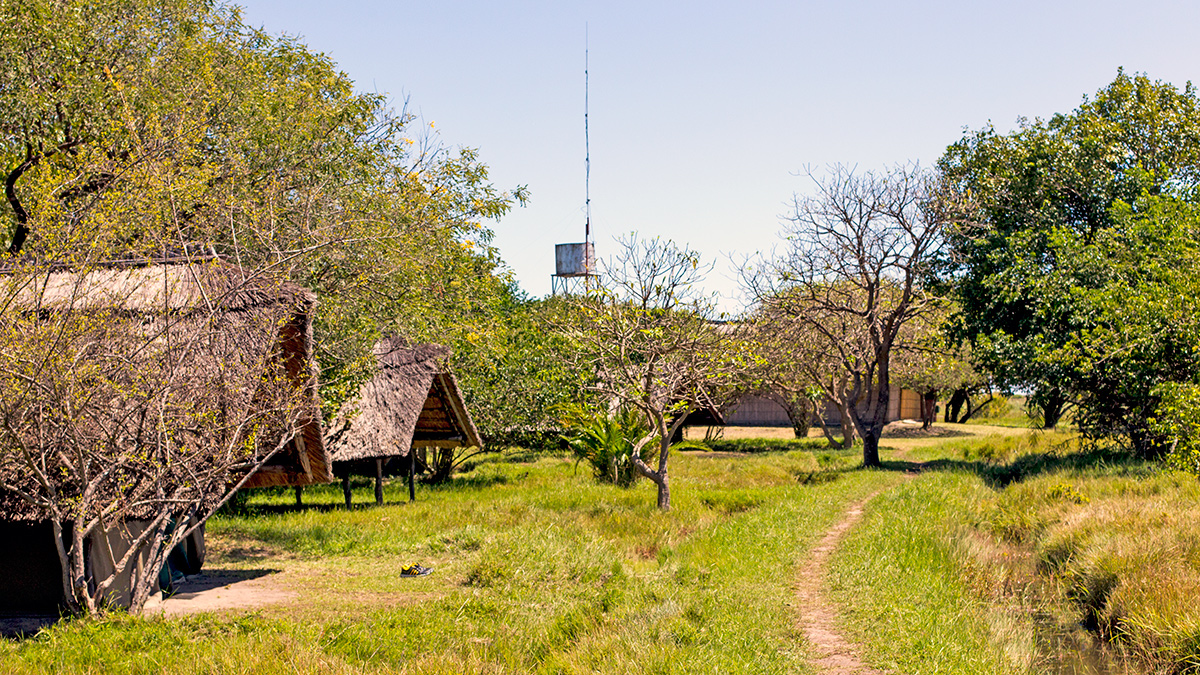
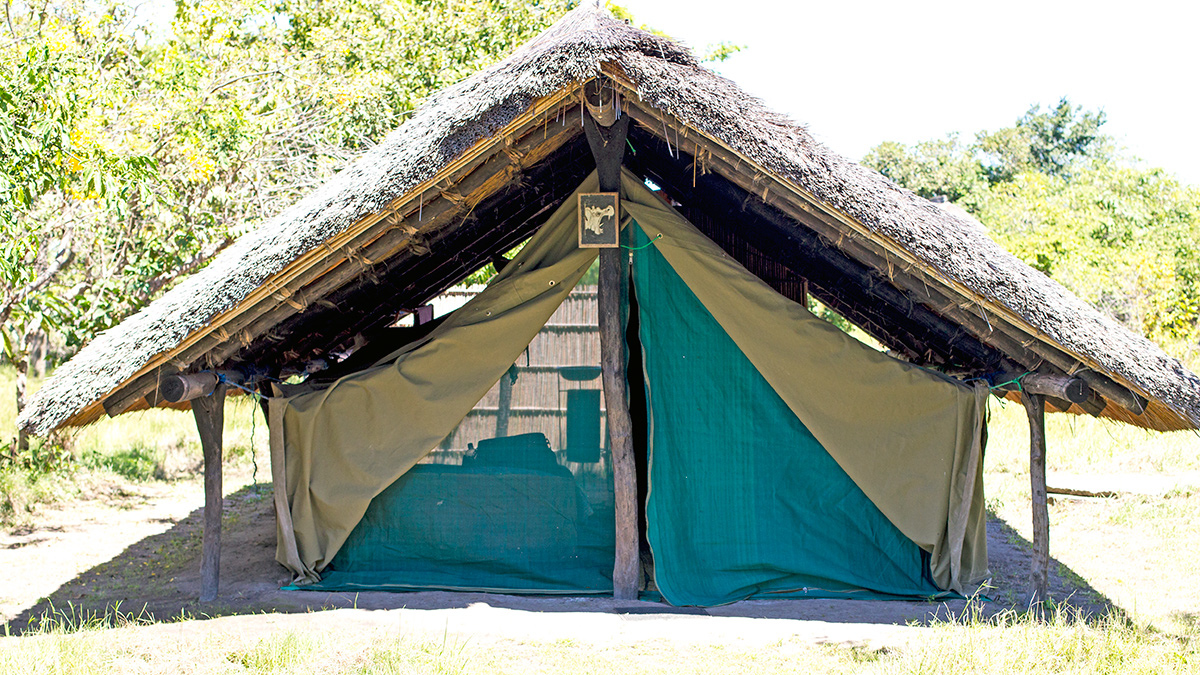
The camp itself comprises permanent tents, with solar power for radio communications, gas for fridge and cooking, and paraffin lamps and candles for light at night in the tents. Hot water for showers is put into a 20-litre container above the ‘bathroom’ by the watchman at the agreed time.
After arrival at the camp’s boat landing and dropping my bags off at my assigned tent, I had time for a short walk around the 700m x 700m island with Webby. Even here we found Black-throated Wattle-Eye, Common Fiscal, White-browed Robin-Chat and both Wattled and Greater Blue-eared Starling.
I was well and truly pampered as I was the only guest at Shoebill Camp and after a good supper retired to bed wondering whether I’d have any success tomorrow on my hunt for a Shoebill, on my one and only full day in the swamps.
![Allen's Gallinule [Porphyrio alleni]](https://neilswildlifejournal.uk/wp-content/gallery/gruiformes/CN8E8744_EOS-1D_BangweuluWetlandsNP_05May2011.jpg "Allen's Gallinule [Porphyrio alleni]")
![Lesser Jacana [Microparra capensis]](https://neilswildlifejournal.uk/wp-content/gallery/charadriiformes-1/CN8E8446_EOS-1D_BangweuluWetlandsNP_04May2011.jpg "Lesser Jacana [Microparra capensis]")
![Lesser Jacana [Microparra capensis]](https://neilswildlifejournal.uk/wp-content/gallery/charadriiformes-1/CN8E8447_EOS-1D_BangweuluWetlandsNP_04May2011.jpg "Lesser Jacana [Microparra capensis]")
![Little Egret [ Egretta garzetta garzetta]](https://neilswildlifejournal.uk/wp-content/gallery/post-images-2011/CN8E8415_EOS-1D_BangweuluWetlandsNP_04May2011.jpg "Little Egret [ Egretta garzetta garzetta]")
![Squacco Heron [Ardeola ralloides]](https://neilswildlifejournal.uk/wp-content/gallery/post-images-2011/CN8E8713_EOS-1D_BangweuluWetlandsNP_05May2011.jpg "Squacco Heron [Ardeola ralloides]")
![Great Egret [Ardea alba melanorhynchos]](https://neilswildlifejournal.uk/wp-content/gallery/post-images-2011/CN8E8414_EOS-1D_BangweuluWetlandsNP_04May2011.jpg "Great Egret [Ardea alba melanorhynchos]")
![Little Egret [ Egretta garzetta garzetta]](https://neilswildlifejournal.uk/wp-content/gallery/post-images-2011/CN8E8417_EOS-1D_BangweuluWetlandsNP_04May2011.jpg "Little Egret [ Egretta garzetta garzetta]")
![Reed Cormorant [Microcarbo africanus africanus]](https://neilswildlifejournal.uk/wp-content/gallery/post-images-2011/CN8E8430_EOS-1D_BangweuluWetlandsNP_04May2011.jpg "Reed Cormorant [Microcarbo africanus africanus]")
![Swamp Flycatcher [Muscicapa aquatica infulata]](https://neilswildlifejournal.uk/wp-content/gallery/turdidae-muscicapidae-cinclidae-chloropseidae-dicaeidae/CN8E8423_EOS-1D_BangweuluWetlandsNP_04May2011.jpg "Swamp Flycatcher [Muscicapa aquatica infulata]")
![Fulvous Whistling Duck [Dendrocygna bicolor]](https://neilswildlifejournal.uk/wp-content/gallery/anseriformes/CN8E8503_EOS-1D_BangweuluWetlandsNP_05May2011.jpg "Fulvous Whistling Duck [Dendrocygna bicolor]")