Lusaka, 19 May 2011
Little did I expect that after returning to work from my Shoebill trip that I’d be back on the road within 3 days heading even further north to do some field assessments, both north-west of the Bangweulu swamps and north of Mutinondo. To do this means that I have completed road trips of 750km (465 miles) in a single day on each of 4 days out of the past 10.
This was quite an intensive trip with no time for birding, so the Canon was left in Lusaka, although no field geologist should be without a pair of binoculars, and I still had a pocket digital with me.
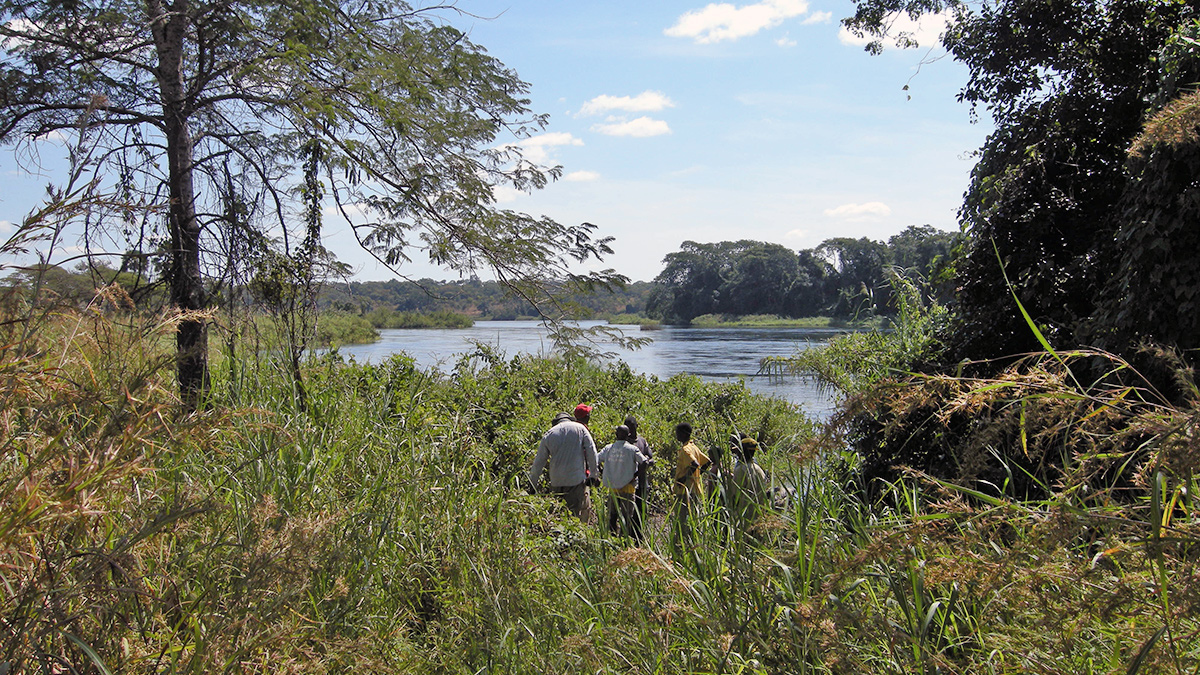
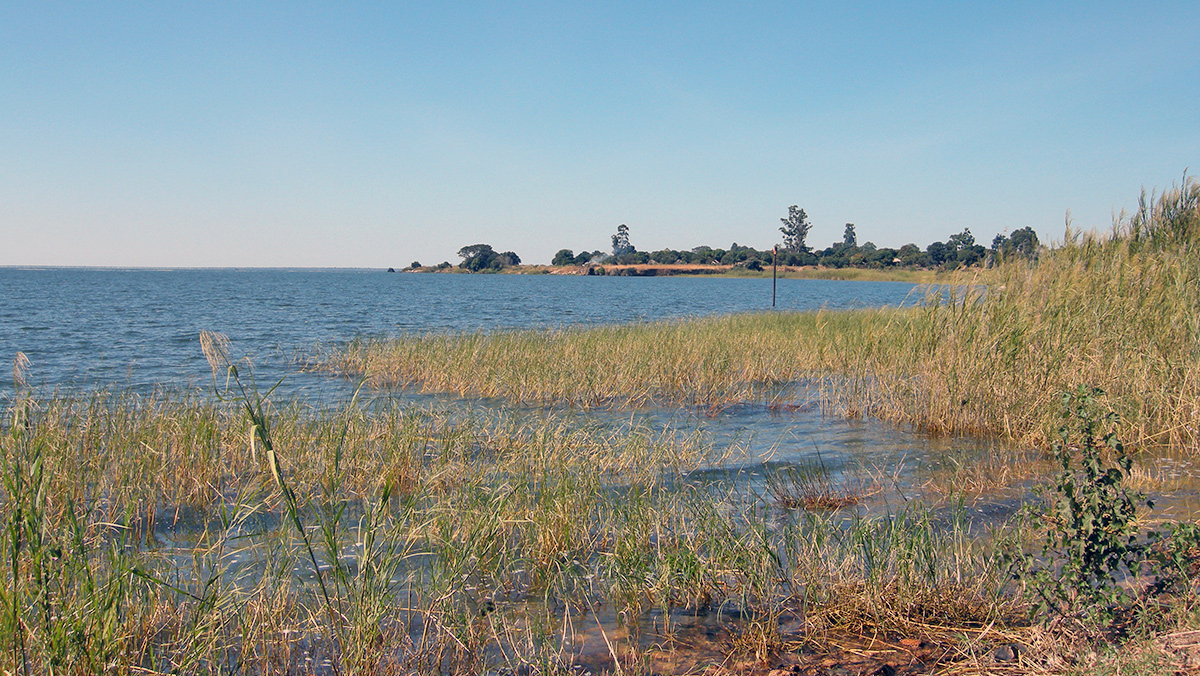
I visited two separate areas north-west of Mansa, one of which took me to a point on the banks of the Luapula River, the international boundary between Zambia and the DRC, which I discovered once back in Lusaka was only 2km from the spot where I camped overnight on the far bank in the DRC, almost 3 years ago. The Luapula River forms part of the Congo River basin, which drains into the Atlantic. Apart from this relatively small corner of Zambia all other drainage systems in Zambia flow towards the Indian Ocean. The Luapula flows out of Lake Bangweulu, the main feeder of which, the Chambeshi River, is actually the source of the Congo River, sought by the missionary and explorer David Livingstone. Livingstone died in the Bangweulu swamps at the village of Chipundu about halfway between Wasa Camp in Kasanka NP and Shoebill Island, which I visited less than 2 weeks ago. I stood on the shore of Lake Bangweulu (meaning ‘where the water meets the sky’ in a local language) in Samfya when we stopped for refreshments en route to our next destination.
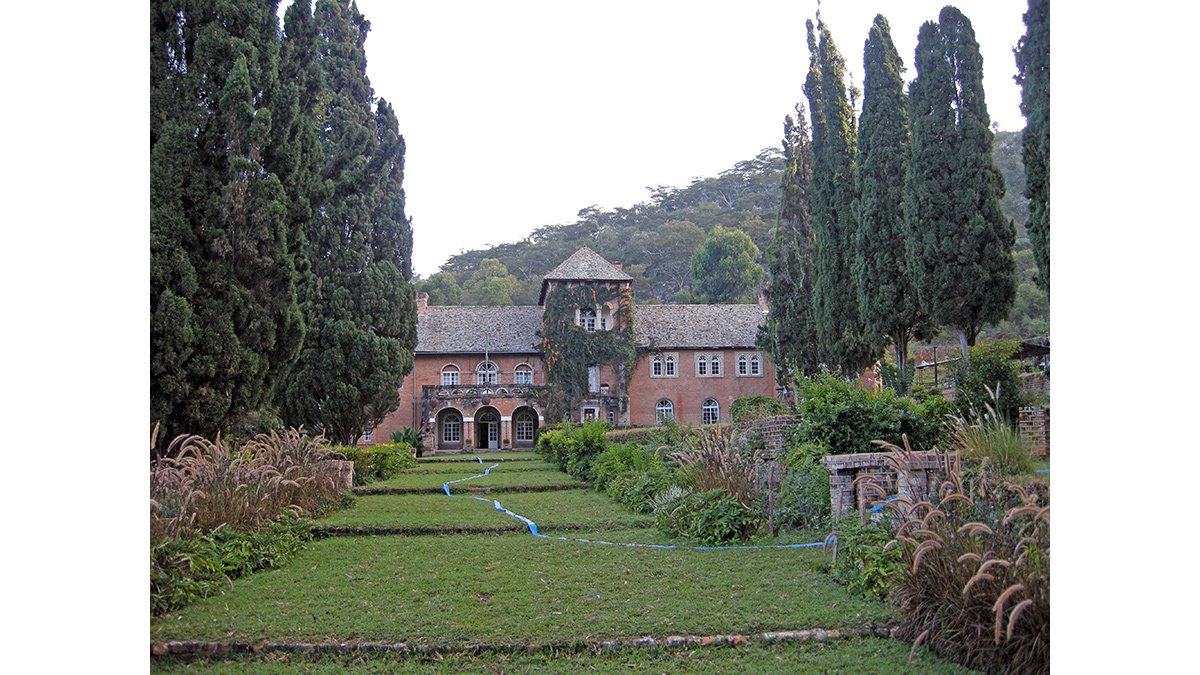
The overnight stay here was at Shiwa Ngandu Manor House, about halfway between Mutinondo and the Tanzanian border, just of the ‘Great North Road’. The only time I had been this far before was on a mammoth road trip in 1975, from the Copperbelt to Mount Kilimanjaro and the Kenyan Rift Valley and back. The Shiwa Ng’andu house and its builder and owner, Stewart Gore-Browne, played a prominent role in the independence of Northern Rhodesia as the Zambia it is today.
Enough of the geography and fascinating history surrounding this area and on to the only birding I managed during the 6-day trip. I was able to get out with my binoculars before breakfast on the final morning into the grounds of Shiwa Ng’andu house. I was able to locate White-browed Robin-Chat, Black-backed Barbet, Broad-tailed Paradise Whydah, Common Scimitarbill, Pale-billed Hornbill, Yellow-rumped Tinkerbird, Red-faced Cisticola, Yellow-bellied Greenbul, Yellow-throated Bush Sparrow and one lifer, to which I was drawn by its song. Even though I could pin-point the source of the call it took a while to locate with my binoculars the Grey-olive Greenbul.