
Atlasville, 10 Jul 2010
Following the success of our trip to northern Botswana over the New Year period 2008-09, we decided that another such ‘safari’, the exact opposite of our usual Kruger Park self-drive, self-catered, ‘find the animals yourself’ holiday was definitely in order.
With more work on the horizon it seemed an opportune time to get away. So, we are just back from an amazing 5-night stay at Puku Ridge Safari Lodge in Zambia’s South Luangwa National Park. I chose South Luangwa as it was a place I’d longed to visit back in my Zambian Copperbelt days at Mufulira Mine, from 1973-1978. Then, Norman Carr’s walking safaris in South Luangwa were renowned, but extremely difficult to get a place on, so I vowed that one day I would get to see this gem of Zambia’s national parks.
One dampener is that due to my busy work schedule over the next 3-4 month period, I delayed posting of trip reports on my website and when I did get around to it I found that ‘bad sectors’ on a hard drive resulted in the loss of all my original image files from this trip and a few others, so all I am able to post are low resolution images that I was able to download from other sites on which I had posted a few images or sent as e-mail attachments. This was of course compounded by the fact that I had not backed up these files – that won’t happen again!
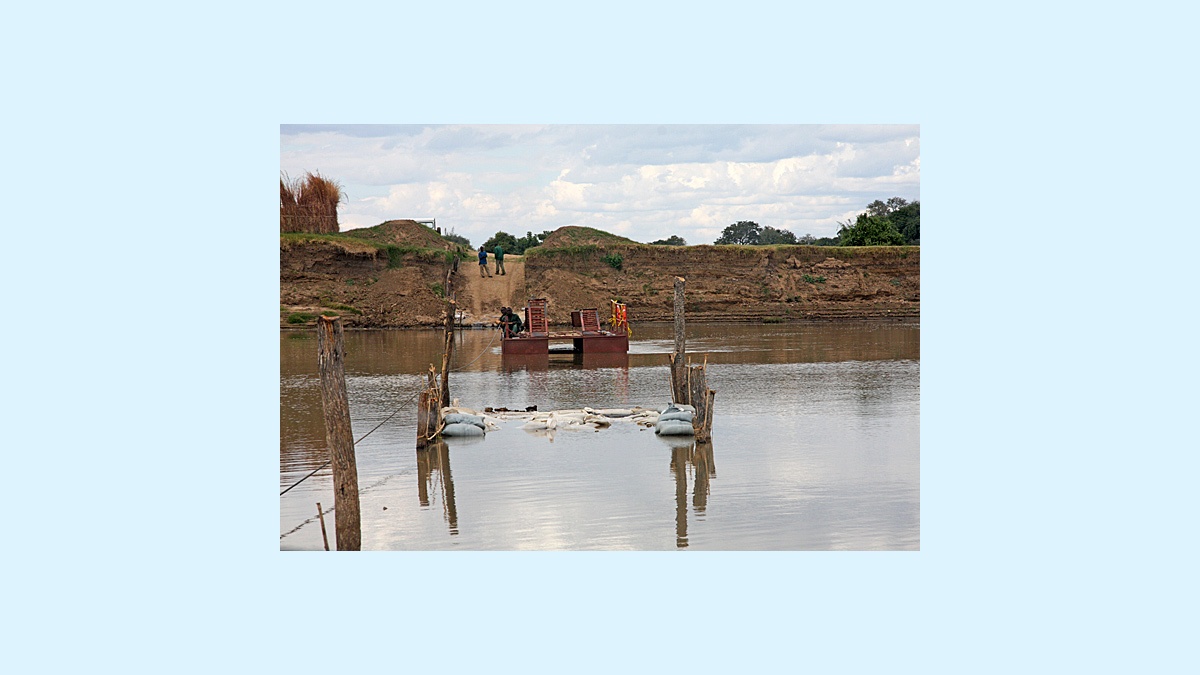
On 4th July we flew from Johannesburg to Lusaka, where we transferred to a light aircraft for a scheduled flight to Mfuwe, in Zambia’s Eastern Province. Mfuwe is the main gateway for South Luangwa National Park, which sitting as it does on the west bank of the Luangwa River is actually in Muchinga Province. We were collected at the airport by our driver for the next few days – we had made advance arrangements for a dedicated vehicle, driver and ranger, knowing how birders and Big-5 hopefuls tend not to mix too well – and driven to Nkwali where we crossed the Luangwa on a very rickety-looking pontoon. There are several of these pontoons to make access to the camps in the southern area quicker than by crossing on the bridge further downriver and then having to cross a main tributary, the Muliashi River, as well. These pontoons only operate from late May to early October when the Luangwa River water level is at its dry season low.
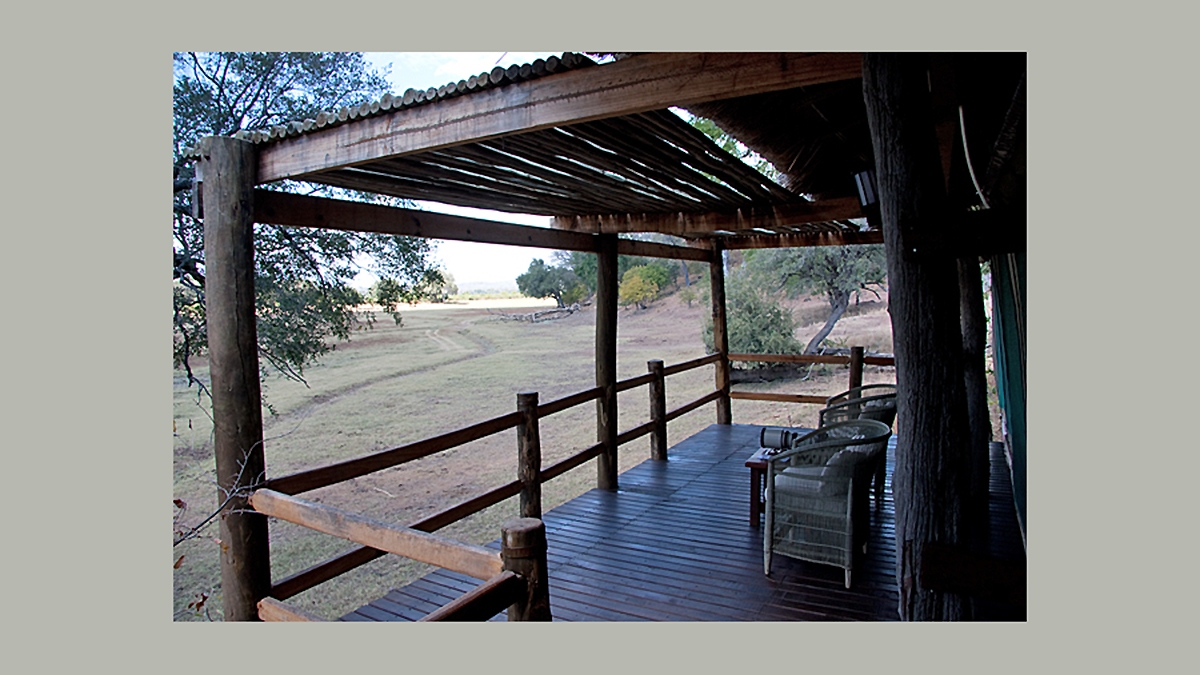
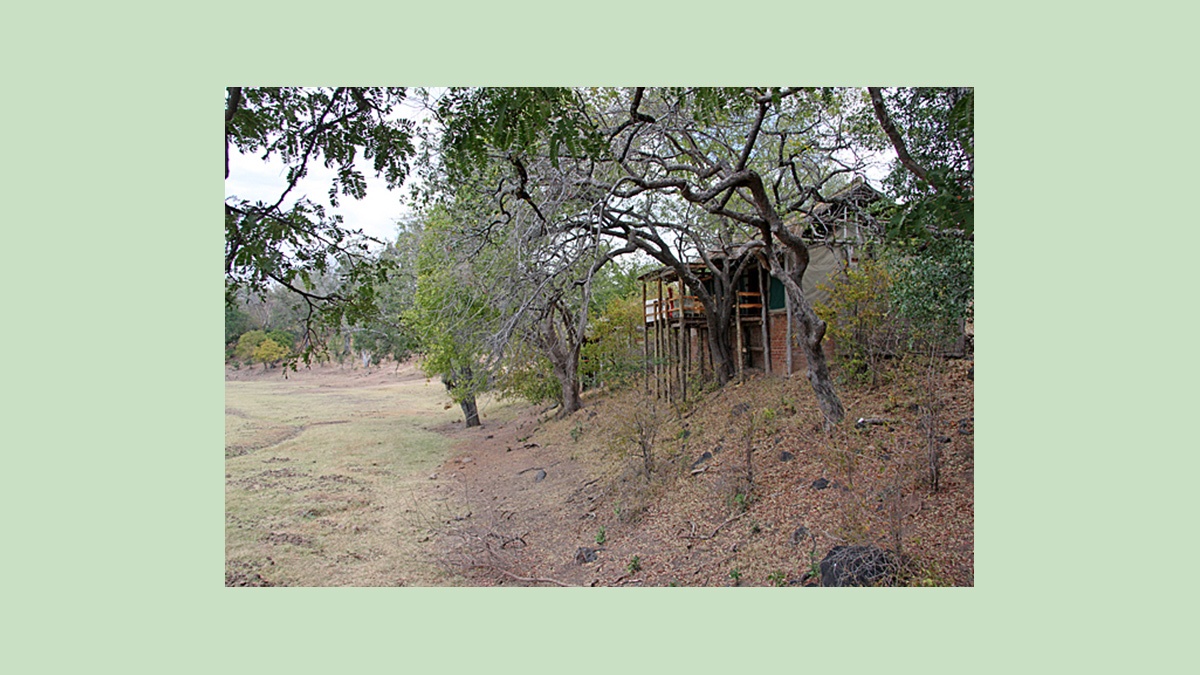
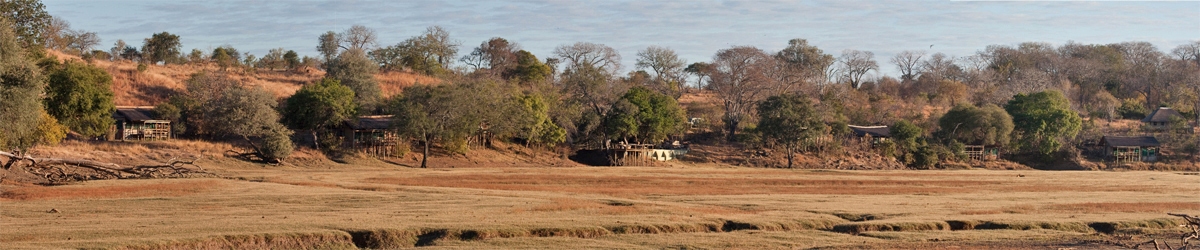
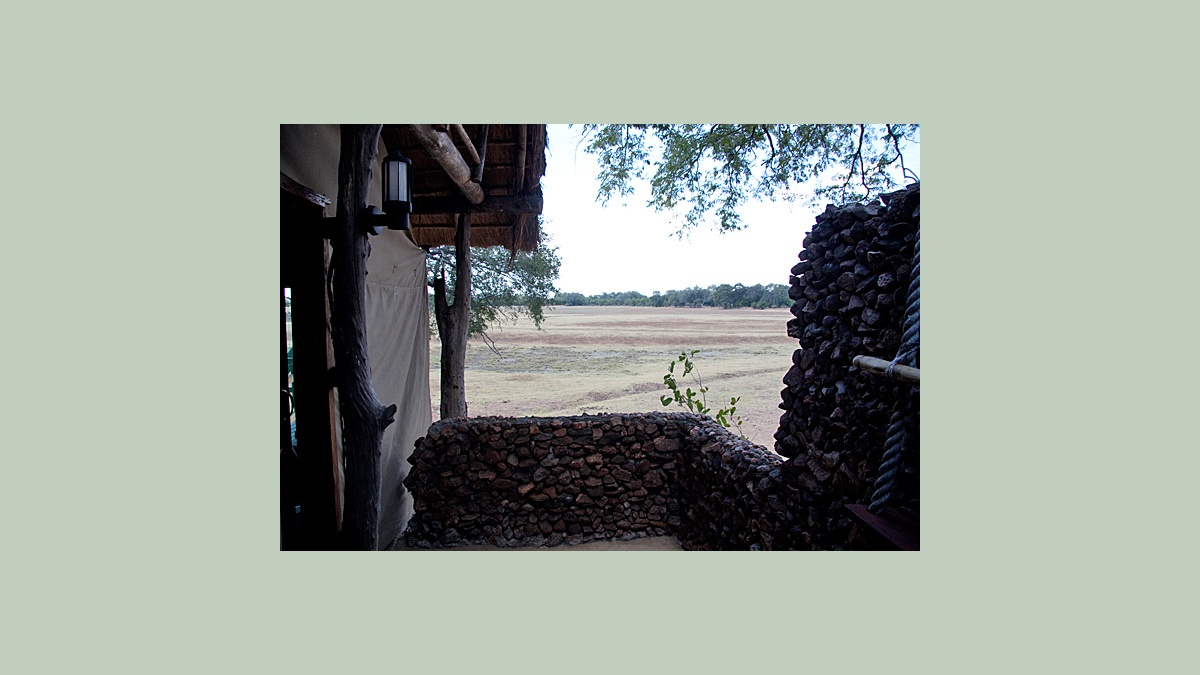
Once across the river it was a drive of about 12km to Puku Ridge, which is a tented safari camp situated overlooking the floodplain of a small tributary of the Luangwa River some 500m above their confluence. Although we were staying in a ‘tent’, this was a very big permanent tent under a fixed roof, on a brick and concrete base, with a covered wooden deck and an outdoor shower, screened on three sides.
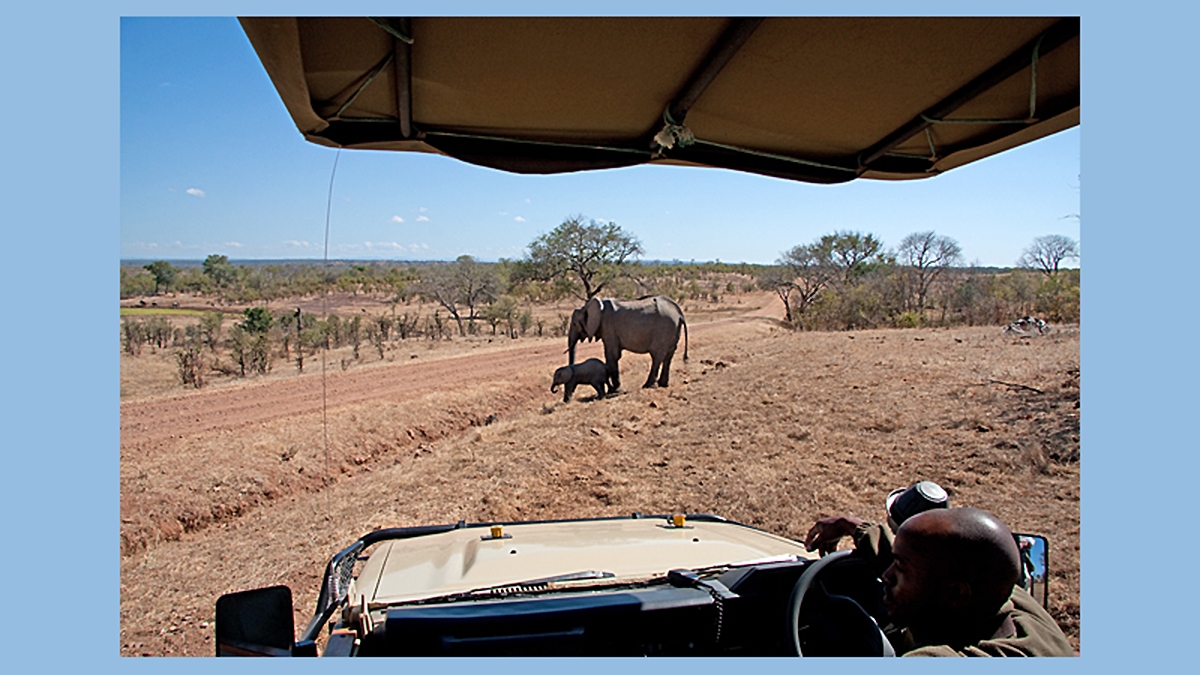
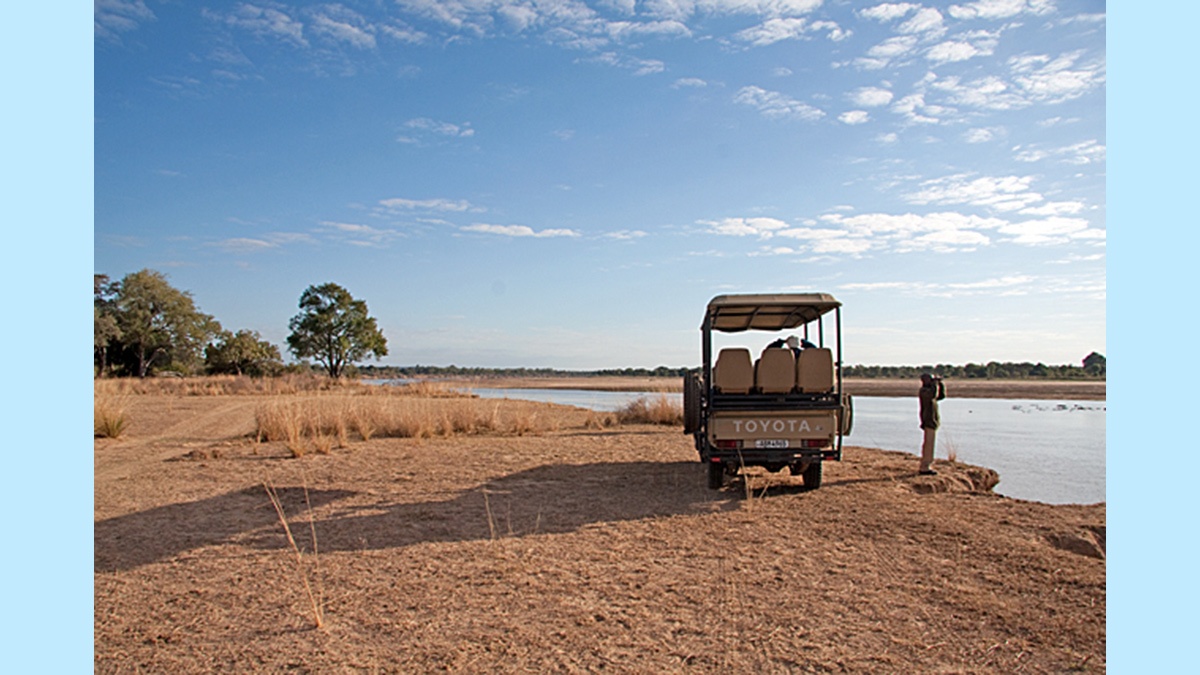
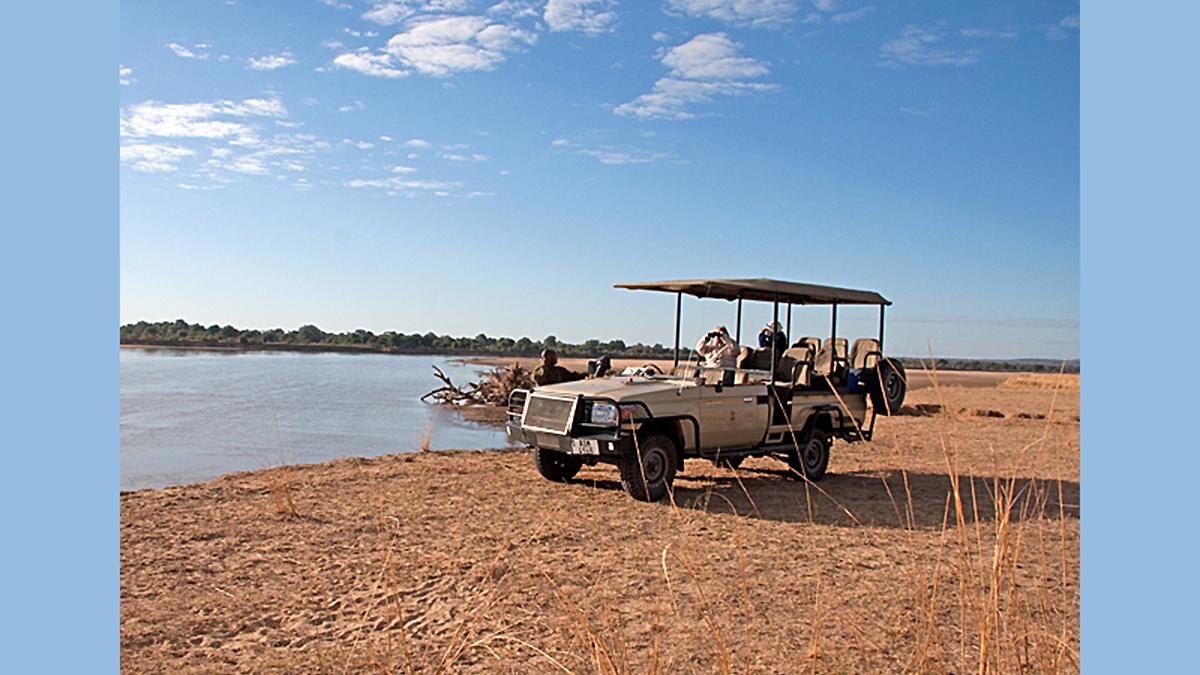
The format for our days at Puku Ridge was early morning drive, late afternoon drive and night drive, with a refreshment break at some vantage point on the daylight drives.
A focal point of these drives was a pride of lion in the near vicinity of the camp, a male, with an old lioness and a younger lioness that had two cubs. A few days before our arrival the lionesses had successfully taken down a Cape Buffalo, but in the process the older one had suffered a broken hip, was unable to move about very well and was obviously in great pain. Consequently, they did not travel far and we were able to find them each morning and evening. The rest of the pride was unwilling to leave the injured female and the male would be heard moaning at night, a very deep disturbing noise that made you feel their inevitable loss with them.
On one occasion we watched them sitting under a tree from a position near another tree about 20m away. They eventually got up and moved slowly away. When they were some 100m away a leopard that had been making sure he was not their next kill jumped down out of the tree right next to us, paused, gave us a ‘could have had you there’ look and then ran off in the opposite direction to the lions. A good reminder to check out your surroundings properly before focussing on one spot.
We were eventually informed that a decision had been taken that the lioness should be spared further suffering and that a vet had been summoned to euthanise her on our final morning. The harsh realities of life in the bush.
![Lion [Panthera leo melanochaita]](https://neilswildlifejournal.uk/wp-content/gallery/post-images-2009-2010/Cub1.jpg "Lion [Panthera leo melanochaita]")
![Lion [Panthera leo melanochaita]](https://neilswildlifejournal.uk/wp-content/gallery/post-images-2009-2010/Cub2.jpg "Lion [Panthera leo melanochaita]")
![Lion [Panthera leo melanochaita]](https://neilswildlifejournal.uk/wp-content/gallery/post-images-2009-2010/Cub3.jpg "Lion [Panthera leo melanochaita]")
![Lion [Panthera leo melanochaita]](https://neilswildlifejournal.uk/wp-content/gallery/post-images-2009-2010/Lion_roar_night.jpg "Lion [Panthera leo melanochaita]")
![Lion [Panthera leo melanochaita]](https://neilswildlifejournal.uk/wp-content/gallery/post-images-2009-2010/Lion_roar.jpg "Lion [Panthera leo melanochaita]")
![Lion [Panthera leo melanochaita]](https://neilswildlifejournal.uk/wp-content/gallery/post-images-2009-2010/Lion_yawn.jpg "Lion [Panthera leo melanochaita]")
South Luangwa is known for its large leopard population and on a single night drive we saw no fewer than 7 individuals, 2 of them up the same tree. Other memorable night sightings were African Civet, White-tailed Mongoose, African Savannah Hare and Cape Porcupine, the last two of which we had never seen in the Kruger Park.
![African Savannah Hare [Lepus victoriae]](https://neilswildlifejournal.uk/wp-content/gallery/other-mammals/IMG_0044_EOS-1D_PukuRidge_08Jul2010.jpg "African Savannah Hare [Lepus victoriae]")
![Leopard [Panthera pardus pardus]](https://neilswildlifejournal.uk/wp-content/gallery/mammals-the-big-5/IMG_0036_EOS-1D_PukuRidge_06Jul2010.jpg "Leopard [Panthera pardus pardus]")
![Cape Porcupine [Hystrix africaeaustralis]](https://neilswildlifejournal.uk/wp-content/gallery/other-mammals/IMG_0046_EOS-1D_PukuRidge_08Jul2010.jpg "Cape Porcupine [Hystrix africaeaustralis]")
![White-tailed Mongoose [Ichneumia albicauda grandis]](https://neilswildlifejournal.uk/wp-content/gallery/carnivores/IMG_0026_EOS-1D_PukuRidge_05Jul2010.jpg "White-tailed Mongoose [Ichneumia albicauda grandis]")
![African Civet [Civettictis civetta australis]](https://neilswildlifejournal.uk/wp-content/gallery/carnivores/IMG_0027_EOS-1D_PukuRidge_05Jul2010.jpg "African Civet [Civettictis civetta australis]")
Other mammals seen were Yellow Baboon, a baboon species not seen in South Africa, and the local sub-species of the Plains Zebra, Crawshay’s Zebra, with its narrower stripes than other plains zebras, particularly densely-packed on the legs, as well as the local sub-species of the Masai Giraffe, Thornicroft’s Giraffe, which occurs only in the south Luangwa Valley. Latest surveys suggest a total population of this giraffe of only about 750 individuals.
Until recently all African giraffes were thought to be sub-species of Giraffa giraffa. Genetic studies now show that there are four distinct species of giraffe, the Northern, Reticulated, Masai and Southern giraffes. Only the Reticulated has no sub-species, Masai and Southern each have 2 sub-species and the Northern 3 sub-species.
![Yellow Baboon [Papio cynocephalus cynocephalus]](https://neilswildlifejournal.uk/wp-content/gallery/primates/IMG_0043_EOS-1D_PukuRidge_08Jul2010.jpg "Yellow Baboon [Papio cynocephalus cynocephalus]")
![Masai Giraffe [Giraffa tippelskirchi thornicrofti]](https://neilswildlifejournal.uk/wp-content/gallery/ungulates/IMG_0009_EOS-1D_PukuRidge_07Jul2010.jpg "Masai Giraffe [Giraffa tippelskirchi thornicrofti]")
![Plains Zebra [Equus quagga crawshayi]](https://neilswildlifejournal.uk/wp-content/gallery/ungulates/IMG_0034_EOS-1D_PukuRidge_06Jul2010.jpg "Plains Zebra [Equus quagga crawshayi]")
From a birding perspective it was a good trip, with a trip total of 121 species including two lifers, Western Banded Snake Eagle and Africa’s smallest parrot, Lilian’s Lovebird, and my 2nd ever Dickinson’s Kestrel. A really unexpected sighting, and this only on our final morning before heading for Mfuwe Airport, was my 2nd ever Pel’s Fishing Owl. We also watched a Tawny Eagle rip apart a Smith’s Bush Squirrel, swallowing chunks of flesh before swallowing the rest of the unfortunate squirrel in one piece. Others for which I was able to salvage some images were Grey Crowned Crane, Pearl-spotted Owlet, Retz’s Helmetshrike, White-headed Vulture and Saddle-billed Stork.
![Pearl-spotted Owlet [Glaucidium perlatum licua]](https://neilswildlifejournal.uk/wp-content/gallery/strigiformes/IMG_0002_EOS-1D_PukuRidge_07Jul2010.jpg "Pearl-spotted Owlet [Glaucidium perlatum licua]")
![Saddle-billed Stork [Ephippiorhynchus senegalensis]](https://neilswildlifejournal.uk/wp-content/gallery/ciconiiformes/IMG_0013_EOS-1D_MfuweLodge_08Jul2010.jpg "Saddle-billed Stork [Ephippiorhynchus senegalensis]")
![Grey Crowned Crane [Balearica regulorum gibbericeps]](https://neilswildlifejournal.uk/wp-content/gallery/gruiformes/IMG_0001_EOS-1D_PukuRidge_06Jul2010.jpg "Grey Crowned Crane [Balearica regulorum gibbericeps]")
![Retz's Helmetshrike [Prionops retzii tricolor]](https://neilswildlifejournal.uk/wp-content/gallery/platysteiridae-malaconotidae-vangidae-artamidae-aegithinidae-campephagidae-vireonidae/IMG_0006_EOS-1D_MfuweLodge_08Jul2010.jpg "Retz's Helmetshrike [Prionops retzii tricolor]")
![Western Banded Snake Eagle [Circaetus cinerascens]](https://neilswildlifejournal.uk/wp-content/gallery/accipitriformes/IMG_0004_EOS-1D_MfuweLodge_08Jul2010.jpg "Western Banded Snake Eagle [Circaetus cinerascens]")
![Western Banded Snake Eagle [Circaetus cinerascens]](https://neilswildlifejournal.uk/wp-content/gallery/accipitriformes/IMG_0003e_EOS-1D_MfuweLodge_08Jul2010.jpg "Western Banded Snake Eagle [Circaetus cinerascens]")
![Lilian's Lovebird [Agapornis lilianae]](https://neilswildlifejournal.uk/wp-content/gallery/psittaciformes/IMG_0003_EOS-1D_PukuRidge_08Jul2010.jpg "Lilian's Lovebird [Agapornis lilianae]")
![Pel's Fishing Owl [Scotopelia peli]](https://neilswildlifejournal.uk/wp-content/gallery/post-images-2009-2010/Pels_Fishing-Owl_09Jul2010.jpg "Pel's Fishing Owl [Scotopelia peli]")
![Tawny Eagle [Aquila rapax rapax]](https://neilswildlifejournal.uk/wp-content/gallery/post-images-2009-2010/Tawny_Eagle_eating_Squirrel.jpg "Tawny Eagle [Aquila rapax rapax]")
![White-headed Vulture [Trigonoceps occipitalis]](https://neilswildlifejournal.uk/wp-content/gallery/post-images-2009-2010/White-headed_Vulture_male.jpg "White-headed Vulture [Trigonoceps occipitalis]")